


Many households replace furniture once it shows wear. However, antiques deserve preservation, not disposal. These pieces carry financial worth and family history. For example, a century-old cabinet may hold both market value and personal memories. Because aged wood dries and joints loosen over time, DIY handling creates real risk. A small scratch or crack can immediately lower the value. Therefore, professional care matters. Low-priced relocation supplies rarely provide enough protection for fragile heirlooms. Instead, trained specialists use reinforced materials and precise handling methods. Experienced moving companies Toronto understand structural weaknesses in antique items. Our team plans each step carefully and protects your pieces with proven techniques. As a result, your heirlooms arrive safely and intact.
What makes antique movers different from standard movers
Antique movers receive specialized training that standard movers do not. They understand how aged wood responds to changes in pressure and temperature. For example, older hardwood can crack if lifted incorrectly. In addition, antique finishes may chip when exposed to friction. Therefore, trained crews adjust their handling methods. They lift at stable support points and avoid stress on weak joints. Unlike teams that rely only on low-cost moving supplies, antique specialists use reinforced padding and protective wrapping designed for fragile surfaces.
They also recognize structural weaknesses in older furniture. Over time, the glue dries, and the internal joints loosen. Consequently, sudden movement can cause separation. Experienced antique movers inspect pieces before lifting them. If needed, they remove fragile elements in advance. Moreover, they follow museum-level packing standards. This includes layered wrapping, corner protection, and custom crating for high-value items. Professional movers Calgary who specialize in antiques often follow similar preservation protocols used in galleries and exhibitions.

Risk management continues during transport. Trucks must remain stable and properly secured. Straps hold items firmly in place without pressing against delicate surfaces. In addition, climate control may be necessary for certain materials. These precautions reduce vibration and shifting. As a result, your antiques maintain their condition and long-term value. Experience protects not only the item itself but also its financial and sentimental importance.
Why low-priced relocation supplies are not enough for antique protection
Basic moving boxes and thin padding rarely protect antiques properly. Standard cartons bend under weight and shift during transport. For example, aged wood furniture often has fragile legs and loose joints. When wrapped only in light blankets, corners remain exposed. We once inspected a vintage dresser packed in thin cardboard. The box collapsed at the base before loading even began. Consequently, the repair cost exceeded the price of proper materials. These situations show why antique protection demands stronger solutions.
Antique items usually need tailored protection, not standard packing. Custom crates create a solid shell and reduce shock during handling. Meanwhile, ordinary boxes can flex, crush, or sag under uneven weight. Professional wrapping adds thick layers, corner protection, and firm bracing inside the package. Plastic moving bins Toronto can work well for books, linens, or pantry goods, yet they still fall short for fragile heirlooms. Antiques need controlled support, not just a container. Stabilization keeps delicate parts from shifting. Without internal structure, road vibration can trigger finish cracks, loosen joints, or snap fine details.
The hidden cost of inadequate materials appears after delivery. Small scratches reduce resale value immediately. Structural damage may require restoration by specialists. Professional supplies prevent these risks. Consider when higher-grade protection becomes necessary:
- Items with carved details or glass inserts
- Furniture over fifty years old
- Pieces with loose joints or dried wood
- High monetary or sentimental value
In these cases, reinforced packaging protects both condition and long-term value.
In-home consultation and detailed assessment process
A proper antique move begins with an in-home consultation. A trained consultant visits your space and reviews each item carefully. This step prevents guesswork and protects fragile pieces. For example, we once assessed a tall antique cabinet that could not fit through a narrow hallway. Because we measured early, we avoided last-minute damage. Therefore, sending a specialist helps identify risks before moving day. You deserve a plan based on facts, not assumptions.
During the visit, the consultant measures doorways, staircases, and tight corners. They also record item dimensions and note fragile details. In addition, clear photos document the current condition. This protects both you and the mover. If an item has existing scratches, those details are recorded in writing. We often find loose joints or aging wood during inspections. As a result, we adjust the handling plan. Careful documentation reduces disputes and builds trust.

Planning disassembly may also be necessary. For instance, delicate legs or removable shelves can travel separately for safety. The consultant creates a customized protection strategy based on your items. This may include reinforced padding or specialty wrapping similar to packing services Toronto standards. Consequently, your antiques receive tailored care. Early assessment ensures smoother loading and safer transport.
Customized crating solutions beyond low-priced relocation supplies
Fragile antiques require protection that standard materials cannot provide. Wooden crates create a rigid outer shell that shields items from impact. In contrast, low-priced relocation supplies often lack structural strength. For example, we once transported a carved mirror in a custom crate. During transit, another item shifted inside the truck. Because the mirror was created, it remained untouched. Therefore, wooden crating adds a layer of security that simple padding cannot match.
Inside the crate, layered wrapping absorbs shock and vibration. Thick padding surrounds delicate surfaces and edges. In addition, interior bracing prevents movement during transport. Climate-sensitive materials may also be used for aged wood. Antique furniture reacts to moisture and temperature shifts. Consequently, protective barriers help reduce exposure to sudden changes. We often secure loose knobs, handles, and decorative trims separately. This step prevents breakage and protects original craftsmanship.
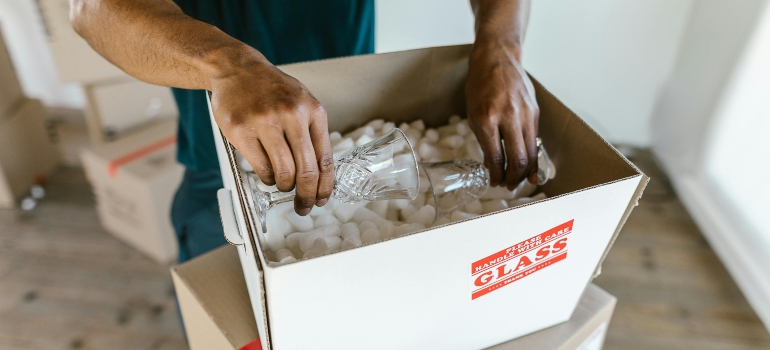
Proper crating prevents long-term damage that may not appear immediately. Small cracks can develop later if vibration continues unchecked. For instance, during a recent project similar to putting a piano in storage, we reinforced internal supports to protect structural integrity. As a result, the piece remained stable over time. When you invest in custom crating, you protect both condition and value.
Professional tools and equipment antique movers use
Professional antique movers rely on specialized equipment for safe handling. Heavy-duty dollies support large and uneven items. These dollies distribute weight evenly and reduce pressure on fragile legs. For example, a tall armoire requires balanced support during movement. Standard hand trucks cannot provide that stability. Therefore, trained crews select tools designed for weight and structure. Unlike teams that depend on budget relocation materials, antique specialists invest in equipment built for protection.
Protective moving pads and corner guards add another layer of safety. Thick quilted blankets prevent surface scratches. Corner guards protect carved edges and detailed trim. In addition, lift gates allow smooth loading into the truck. This is especially important when moving a chandelier or other delicate fixtures. Sudden drops during lifting can cause severe damage. Secured truck interiors also matter. Anti-slip flooring and internal rails keep items steady during transit.
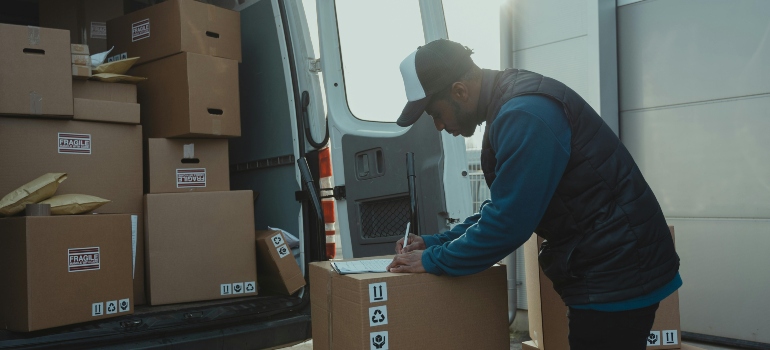
Proper strapping systems complete the protection plan. Straps hold pieces firmly without applying pressure to weak areas. Consequently, antiques remain stable even during turns or sudden stops. Correct tools reduce handling risks at every stage. You avoid unnecessary strain, shifting, and impact. Professional equipment protects both the item and the people carrying it.
Handling disassembly and reassembly with precision
Antique furniture often requires partial disassembly before transport. Fragile legs, glass panels, and decorative trims may need removal. This step reduces stress on weak joints during lifting. For example, we once removed marble tops from vintage tables to prevent cracking. Therefore, careful separation protects delicate sections. Unlike moves that rely only on low-cost relocation materials, antique handling demands detailed preparation. Each piece receives individual attention before loading.
Protecting original hardware is equally important. Screws, hinges, and brass handles carry historical value. Consequently, we remove and wrap them separately. Small labeled bags prevent loss or mixing. Clear documentation supports accurate reassembly later. In addition, we photograph each stage before disassembly. These records protect both you and the moving team. Attention to detail also supports tasks like safeguarding hardwood floors during relocations, where careful movement prevents surface damage.

Skilled reassembly completes the process. At your new location, each part returns to its original position. Tightening joints correctly maintains stability without overpressure. As a result, the structure remains intact and balanced. Preserving craftsmanship requires patience and experience. You protect not only the furniture but also its history and long-term value.
Insurance coverage and valuation considerations
Insurance coverage plays a key role in protecting your antiques. Standard valuation coverage usually pays a fixed amount per pound. Therefore, it may not reflect the true value of rare furniture. Enhanced coverage offers broader protection. In that case, repair or replacement costs are considered. You should compare both options carefully. For example, a lightweight antique chair may receive limited compensation under basic terms. Understanding these differences helps you choose realistic protection.
Declaring high-value items is essential before moving day. If you fail to list valuable antiques, compensation may be restricted. Consequently, always provide written details about appraised pieces. Clear photos also document the current condition. We recommend taking close-up images of carvings, finishes, and hardware. This record protects you if questions arise later. You can review consumer protection guidelines through the Federal Motor Carrier Safety Administration. Reviewing official information strengthens your awareness.
Before signing any contract, verify insurance details directly. Ask for written confirmation of coverage limits and exclusions. Moreover, clarify how claims are processed and within what timeframe. Clear communication prevents misunderstandings after delivery. When you discuss valuation openly, you protect both your antiques and your investment.
The risks of relying only on low-priced relocation supplies
Relying only on low-priced relocation supplies may seem practical at first. However, budget materials often lack strength and durability. Thin cardboard bends under pressure. Light padding shifts during transport. As a result, fragile antiques face a higher risk. For example, we once inspected a vintage sideboard wrapped in single-layer blankets. Minor friction left visible scratches along the finish. Small savings on materials led to costly restoration work later.
Aged furniture already carries structural weaknesses. Wood can dry out over decades. Joints may loosen without visible signs. Consequently, sudden movement or uneven lifting increases the chance of cracks. Budget packing does not provide internal support. In contrast, professional-grade protection stabilizes the structure. Reinforced wrapping and bracing reduce vibration. Even when placing items temporarily in storage units Toronto, inadequate packing may cause hidden stress over time.
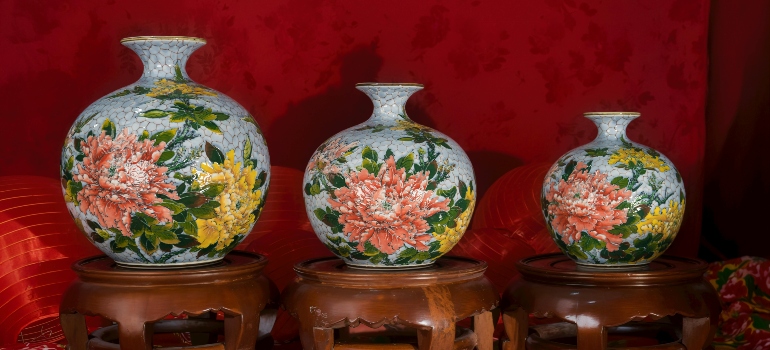
Minor damage also affects long-term value. A small chip or surface mark can lower the resale price immediately. Restoration often costs more than preventive protection. Therefore, comparing DIY materials with professional systems becomes important. Professional supplies include rigid reinforcement and layered padding. These measures prevent movement and absorb impact. Improper packing creates repair expenses, insurance claims, and loss of historical value. Choosing stronger protection safeguards both the condition and the investment.
Choosing the right antique movers in Toronto
Selecting the right antique movers in Toronto requires careful research. Experience with museums and galleries shows a higher level of skill. These environments demand strict handling standards and precise packing methods. Therefore, movers familiar with exhibition pieces understand delicate materials. You should ask about past projects involving rare furniture or artwork. Verified reviews and referrals also provide insight. Consistent feedback about careful handling and punctual service builds confidence.
Transparent pricing structure protects your budget. Detailed written estimates prevent confusion later. For example, itemized quotes explain labor, materials, and transport costs clearly. In contrast, vague pricing may lead to unexpected charges. Clear communication is equally important. During consultation, specialists should assess each antique carefully. They should measure access points and review structural details. Professional residential movers Toronto understand that antique relocation requires more planning than standard household items.
Miracle Movers is equipped for antique relocation because of our structured process and trained team. We conduct in-home assessments and document conditions thoroughly. In addition, we use reinforced wrapping and secure transport systems. Our experience allows us to manage fragile heirlooms with precision. As a result, your antiques receive protection at every stage of the move.
Protect what matters with expert antique movers
Antiques hold both financial value and family history. A small scratch can reduce market worth. At the same time, damage may erase memories tied to the piece. Therefore, moving antiques requires skill, proper tools, and careful planning. Low-priced relocation supplies rarely provide enough protection for fragile heirlooms. Instead, trained specialists use reinforced materials and precise handling methods. You protect long-term value when you avoid shortcuts. Professional consultation helps you understand risks before moving day. Moreover, early assessment prevents costly repairs later. Take the next step with confidence. Contact Miracle Movers today for a personalized antique moving assessment and secure your heirlooms with expert care.
FAQ’s
1. How do you move antiques without damaging them?
Antiques require careful disassembly, reinforced wrapping, and custom crating when needed. Professional movers inspect weak joints, protect surfaces with layered padding, and secure items inside climate-controlled trucks. Proper handling techniques reduce vibration, shifting, and structural stress during transport.
2. Is it worth hiring professionals for antique furniture?
Yes, especially for valuable or fragile pieces. Professional antique movers understand aged materials and use specialized tools. Their experience lowers the risk of scratches, cracks, or loose joints, which can reduce both financial and sentimental value.
3. Do antique movers provide insurance coverage?
Most professional companies offer valuation options. Basic coverage may be limited, while enhanced protection covers repair or replacement costs. Always declare high-value items and review policy details before signing your contract.
4. How much does it cost to move antiques?
Cost depends on size, distance, required crating, and handling complexity. A detailed in-home assessment helps determine accurate pricing and ensures proper protection measures are included.


