


Chandeliers occupy a unique category in household items. They are heavy yet fragile, valuable yet exposed, functional yet decorative. In many Canadian homes, a chandelier is not just a light source but a statement piece that defines an entire space. That is precisely why moving a chandelier requires far more planning and care than packing furniture, lamps, or wall décor. Add Canada’s climate challenges, condo layouts, cross province moves, and winter conditions, and the risk of damage increases dramatically. A rushed or poorly planned relocation can result in shattered crystals, bent arms, electrical problems, or complete loss of the fixture. This guide walks through the full process — from understanding your chandelier’s structure to safely removing it, packing it correctly, transporting it securely, and reinstalling it without damage — all tailored to Canadian moving conditions in 2026.
Why chandeliers need a different moving strategy
Most household items can be wrapped, boxed, and stacked without much thought. Chandeliers cannot. Their weight distribution is uneven, their materials are sensitive to pressure and vibration, and their design often includes dozens of fragile components that can collide during movement. Even small shifts inside a box can cause cracks or chain-reaction breakage, especially with crystal fixtures.
Canadian homes introduce additional challenges. High ceilings require ladders and careful support during removal. Condo living means navigating narrow hallways, elevators, and tight stairwells where accidental bumps are common. Long-distance moves across provinces expose chandeliers to hours of vibration, temperature changes, and shifting loads. Winter moves make glass and crystal more brittle while moisture threatens electrical components. Because of these factors, packing a chandelier like a regular decorative item is almost guaranteed to lead to damage. Every step must focus on immobilization, cushioning, and structural support.

Understanding your chandelier before you begin
Before removing anything, take time to study your chandelier’s construction. Crystal chandeliers typically have detachable hanging pieces, chains, and decorative arms that should be removed individually. Glass chandeliers may have fixed shades that require special padding. Metal-frame fixtures can bend if pressure is applied incorrectly, and modern LED chandeliers may have integrated wiring systems that should not be disturbed unnecessarily.
Older chandeliers found in historic Canadian homes are often heavier and mounted using traditional brackets, while newer condos may use reinforced ceiling mounts designed for insulation and structural support. Knowing whether your chandelier can be fully disassembled or must remain partially intact determines how it should be packed and supported. If the fixture feels unusually heavy, has complex wiring, or shows signs of age-related fragility, professional handling may be the safer option.
Tools and materials that actually protect chandeliers
Successful chandelier relocation starts with proper materials. Standard cardboard boxes are rarely strong enough, especially when exposed to moisture or cold. You’ll need rigid containers sized closely to the chandelier, smaller boxes for bulbs and detachable pieces, bubble wrap, foam padding, packing paper, heavy-duty tape, sealable bags for screws and hooks, cable ties, and thick blankets for cushioning. A sturdy ladder is essential for safe removal, and having a second person to support the chandelier’s weight prevents sudden drops or twisting stress. Moisture-resistant materials are particularly important in winter or long-distance Canadian moves, where condensation and humidity changes can weaken packaging and damage finishes.
Power safety and proper removal from the ceiling
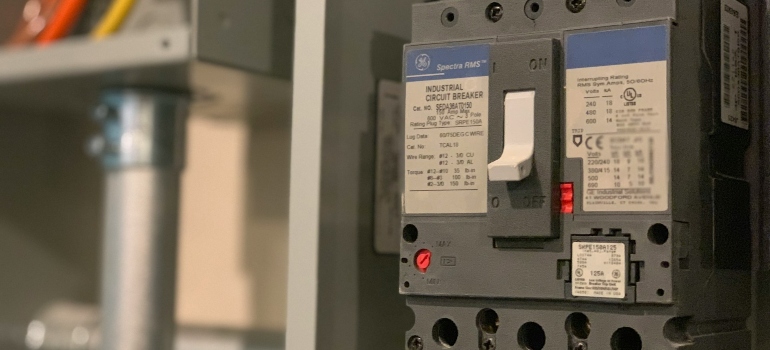
Always shut off power at the breaker box, not just the wall switch. Canadian electrical systems often feed ceiling fixtures through multiple circuits, particularly in renovated homes. After switching off the breaker, test the fixture to ensure no current remains. Have a second person support the chandelier before loosening mounting screws or disconnecting wires. Allowing it to hang freely places stress on arms and wiring, often causing cracks or bends. Lower the chandelier straight down onto a padded surface without twisting or tilting to avoid impact damage.
Disassembling and organizing every component
Start by removing all bulbs and placing them in padded containers. Next, detach removable components such as crystals, shades, chains, and decorative arms. Photograph each stage so reassembly later is straightforward.
Small hardware pieces should go into labeled sealable bags. Each fragile element must be wrapped individually using bubble wrap or packing paper. The goal is complete separation — nothing should touch another surface inside the container. Many homeowners prefer expert handling for delicate fixtures, particularly in condos or older houses where chandeliers are heavier and wiring is complex. This is why providers of packing services Toronto are often used specifically for chandeliers, artwork, and antiques where precision is far more important than speed.
Wrapping techniques that prevent breakage
Every crystal or glass piece should be isolated with cushioning between layers. Metal arms should be tightly wrapped to prevent bending and surface scratches. Avoid loose wrapping — movement inside packaging causes most chandelier damage, not external impact. Use thicker padding zones between clusters of fragile pieces and reinforce pressure points where arms connect to the main frame. Techniques commonly used to pack your bulky things for relocation are especially helpful when dealing with oversized chandelier structures that exceed normal packing limits.
Choosing the right container and immobilizing the fixture
The container should be just large enough to allow cushioning on all sides without excess space. Reinforce the bottom with multiple layers of cardboard and tape. Place thick padding at the base, position the chandelier upright, and fill all gaps with foam or packing material until the fixture cannot move. Perform a shake test — if anything shifts, add more cushioning. The chandelier must remain completely immobilized during transport.
Many Canadians now choose rigid reusable containers instead of cardboard because they resist moisture, compression, and impact. Options like plastic moving bins Toronto are particularly useful for chandelier bodies and heavier components that require strong structural support.

Special handling rules for crystal chandeliers
Crystal chandeliers demand extra care due to their weight and brittleness. Each crystal must be wrapped individually to prevent collision damage. Extra padding should separate hanging sections to avoid chain reactions if vibration occurs. Never stack crystals loosely or place them in bags without cushioning — even short trips can cause significant breakage.
In urban areas where tight hallways, elevators, and staircases are common, handling fragile fixtures becomes even riskier. This is why many residents rely on experienced GTA movers who understand building logistics and specialty-item protection.
Transporting a chandelier in the moving truck
Inside the truck, chandeliers should always remain upright and secured against padded walls. Keep heavy furniture well away from fragile boxes and use load straps to prevent shifting during turns or sudden stops. Shock absorption is essential — movement, not distance, is what breaks chandeliers. For longer provincial relocations where items endure hours of vibration, many families work with providers such as movers Calgary who specialize in stabilizing loads for cross-province travel.
Moving a chandelier across provinces in Canadian conditions
Cross-province moves introduce temperature fluctuations, road vibration, and extended exposure to motion. Cold weather increases brittleness in glass and crystal, while humidity changes can affect wiring and finishes. Extra reinforcement, thicker padding, and rigid containers become essential when transporting chandeliers over long distances. Relocations such as moving from Ontario to Quebec often involve winter driving and climate shifts, making chandelier protection even more critical than during short local moves.

Common chandelier packing mistakes in 2026
Despite better materials and knowledge, many people still make the same costly errors: leaving bulbs in sockets, using oversized boxes, laying chandeliers flat, skipping immobilization, and rushing removal. Poor labeling also leads to boxes being stacked incorrectly, placing heavy pressure on fragile items. These errors appear repeatedly in situations highlighted through relocation mistakes to avoid, where specialty items like chandeliers suffer damage due to shortcuts and improper preparation.
Winter moves and increased risk
Cold temperatures make glass and crystal more prone to cracking, while condensation can form when moving from freezing trucks into warm interiors. Slippery surfaces also increase drop risks during removal and transport. Extra insulation layers, waterproof containers, and slower handling are essential when relocating chandeliers in winter. The challenges of cold-season moves are commonly seen during mid-winter relocations, particularly when fragile décor is involved.
Oversized and heavy chandeliers
Large multi-tier chandeliers often require partial disassembly combined with reinforced packaging or custom crating. Weight must be evenly supported to prevent frame distortion, and to prevent injury when lifting. Some high-value fixtures benefit from professional crating rather than standard boxes, especially for long-distance moves.

Time, cost, and why proper packing is always cheaper
Disassembling and packing a standard chandelier typically takes one to two hours, while large crystal fixtures may require significantly more time. Replacing a chandelier in Canada can cost hundreds or even thousands of dollars, and repairs are often difficult or impossible. Proper packing materials cost very little by comparison, making careful preparation the most economical approach.
Final checklist for safe chandelier relocation
The most important tips include:
- Always shut off power directly at the breaker panel before touching the fixture, then test to confirm no electrical current remains to avoid shock or wiring damage during removal.
- Have a second person fully support the chandelier’s weight before loosening mounting screws so the fixture never hangs freely or twists under its own load.
- Carefully disconnect wiring and lower the chandelier straight down onto a padded surface to prevent stress cracks, bent arms, or sudden impact damage.
- Remove all light bulbs first, then disassemble detachable elements such as crystals, chains, shades, and decorative arms to reduce weight and prevent collisions.
- Photograph each stage of disassembly and store all screws, hooks, and small hardware in labeled sealable bags to ensure easy and accurate reinstallation later.
- Wrap every component individually using bubble wrap, foam padding, or packing paper so no fragile surfaces touch one another inside containers.
- Use reinforced rigid boxes or bins sized closely to the chandelier rather than oversized cardboard cartons that allow movement during transport.
- Build thick cushioning layers at the base and sides of the container to fully immobilize the fixture and absorb vibration throughout the move.
- Perform a gentle shake test on each packed box and add more padding until absolutely no movement can be felt inside.
- Transport chandeliers in an upright position only, secured against padded truck walls and kept well away from heavy furniture or shifting loads.
- Clearly label every container as fragile with orientation arrows so movers always handle and position the chandelier correctly.
Inspecting your chandelier after unpacking before reinstallation
Once the chandelier arrives at your new home, avoid reinstalling it immediately. Take time to inspect every component under bright, direct lighting. Look for cracks, chips, loose fittings, or bent metal arms. Check crystal edges carefully, as small damage can worsen once hanging. Inspect wiring insulation for wear, exposure, or separation. Even minor electrical damage can become dangerous over time.
Tighten any loose screws, hooks, or connectors before reassembly. Replace damaged bulbs instead of reinstalling them. If you notice unstable mounts, address them before reconnecting power. Structural problems can cause future fixture failure. Wipe each crystal or glass piece using a soft, dry cloth. This removes dust from packing and restores shine. Cleaning also reveals hidden cracks or scratches. Reassemble the chandelier slowly, following your reference photos. Ensure each component sits securely in place. This inspection process protects both safety and appearance. It also helps preserve long-term durability. Your chandelier should function beautifully in its new space.

Treat chandeliers like fine art
A chandelier is closer to a piece of artwork than a household object. Its design, materials, and structure demand precision at every stage of a move. By planning carefully, using proper materials, and respecting how delicate these fixtures truly are, you can complete even long-distance Canadian relocations without damage. Whether you’re moving across town, across provinces, or through winter conditions, the right approach ensures your chandelier arrives ready to shine in its new home — intact, safe, and as beautiful as ever.


