


Hardwood floors make your home look elegant and increase its value, but they can easily get scratched or dented during a move. Heavy furniture, dirt, or moisture can cause lasting damage if you’re not careful. That’s why safeguarding hardwood floors during relocations matters more than most people realize. By planning ahead and protecting your floors before movers arrive, you prevent costly repairs and stress later. When you work with trusted professionals such as Miracle Movers Toronto, you gain peace of mind knowing your hardwood floors stay protected throughout the entire moving process.

Understanding the vulnerabilities of hardwood floors
Hardwood floors look beautiful but need care during a move. They scratch, dent, and stain easily because wood reacts to impact and moisture. Even small pebbles under shoes can leave visible marks. Heavy furniture dragged across the floor can create deep grooves. Sudden changes in humidity can also cause wood to expand or shrink, leading to cracks. Knowing these risks helps you take the right steps to protect your floors.
You can avoid damage by cleaning surfaces, using protective pads, and keeping floors dry. Real estate studies show that well-maintained hardwood floors can increase a home’s value by up to 10%. Treating them with care during relocation keeps your home attractive and valuable. Understanding these vulnerabilities prepares you to protect your investment before, during, and after the move.
Preparing your home before the move
Preparing your home before the move helps you avoid scratches, dents, and other floor damage. A few careful steps make moving faster, safer, and cleaner. When your space is ready, cross province movers can work efficiently without risking your hardwood floors.
- Clear the pathways: Start by removing clutter, rugs, and obstacles from all walkways. Clear paths let movers carry furniture without tripping or dragging items. Make sure doorways and hallways stay open and easy to move through.
- Clean the floors: Sweep or vacuum to remove dirt, sand, or small debris. Even tiny particles can scratch hardwood when someone walks over them. A clean surface gives better traction and prevents slips.
- Lay protective coverings: Cover the floors with moving blankets, cardboard, or rosin paper. Use painter’s tape to secure the edges so coverings stay in place. These layers absorb impact and reduce friction from furniture or dollies.
- Remove loose items: Take away small rugs or decorative pieces that could slide or catch on equipment. Keep only what’s necessary for the move. A clear area helps movers focus and keeps your floors safe from accidents.
- Inspect and prepare edges: Check corners, stairs, and thresholds for loose boards or nails. Fixing these before moving day prevents damage and keeps everyone safe while lifting or carrying heavy objects.

Choosing the right floor protection materials
Choosing the right floor protection materials keeps your hardwood floors safe throughout the move. The right tools prevent scratches, dents, and stains while allowing Toronto residential movers to work efficiently. With a few smart choices, you can protect your floors without spending much or complicating the process.
Line the floors
Dropped goods pose the biggest risk to wooden floors, and the most significant causal factor for this is slippery floors. Wet floors tend to pose a danger for not only hardwood but also the people involved in the relocation process. Ensure that enough doormats are placed at all entrances being used by traffic in and out of the house to avoid wet grass and leaves from being carried in. Even though this measure does not directly safeguard your floors, it reduces the chances of an accident happening; thus, mitigating the risk of damage.
Hang on too old rugs
Most people change their rugs and runners when they relocate to a new place, and some even decide to scrap the old ones off before hiring packing services. However, it is advisable to leave them in place until the loading process is complete, especially if new ones are being used at your destination. That way, the rugs can take one more day of protecting your floors with all the heavy lifting and walking that will be conducted. Since these pieces will be discarded afterward, it won’t be too bad if they take the damage in the place of your hardwood floors. Once everything has been taken out of the house, you can proceed to have the rugs removed.
Invest in ram boards
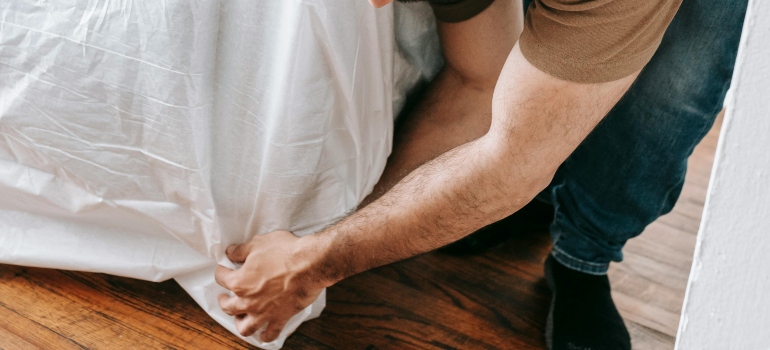
Ram boards are most associated with contractors when carrying out heavy-duty jobs to protect surfaces. Accordingly, you can be sure that your floors will be safe from scratches and dents when using these tools. Protection rolls can also be used and are easy to find in stores. These supplies are meant to be rolled onto the floors prior to the loading process beginning and easily peeled off once it comes to a halt. Some relocation agencies cover the costs of these rolls in your budget; therefore, ask whether the service is available.
Use furniture sliders
Furniture sliders come in handy when trying to haul large pieces with ease. Not only do they make the task of carrying around appliances easier but also reduce the risk of your floors getting any bumps or dents. Additionally, they help keep back injuries at bay. If these sliders are not readily available, you can opt for cardboards that are made of sturdy material.
Training movers to handle hardwood areas carefully
Training movers to handle hardwood areas carefully helps prevent costly floor damage during relocation. You should communicate clearly with your movers about the importance of safeguarding hardwood floors during relocations. Walk them through your home so they understand where hardwood floors start and end. Ask them to lift furniture instead of dragging it across the surface. Use clear labels or colored tape to mark delicate zones.
Many moving companies, like Miracle Movers, already train their staff for hardwood protection, but communication still matters. Remind movers to wear clean shoes or use shoe covers to keep dirt away. Place floor runners or pads in high-traffic spots to minimize wear. A few simple steps and teamwork keep your floors safe. Taking time to train your movers shows respect for your home and helps you avoid expensive repairs later.

Techniques for safeguarding hardwood floors during relocations
Protecting hardwood floors during a move requires practical techniques that combine preparation and careful handling. Using the right methods prevents scratches, dents, and other damage while keeping the move smooth. Small habits make a big difference in protecting your investment.
- Use floor runners for high-traffic areas: Place durable floor runners in hallways, doorways, and entry points. They absorb impact from heavy foot traffic and moving equipment. Runners reduce friction from dollies, carts, and furniture, keeping floors scratch-free.
- Place non-slip mats near entryways: Non-slip mats prevent dirt, sand, and moisture from spreading onto hardwood surfaces. They also reduce the chance of slipping when carrying furniture or boxes.
- Wrap bulky furniture: Cover furniture edges with moving blankets, bubble wrap, or cardboard. This prevents accidental bumps and dents. Secure covers tightly to avoid shifting during movement.
- Lift furniture instead of dragging: Always lift heavy items when moving them. Dragging furniture across hardwood floors can leave deep scratches and gouges. Encourage movers to use proper lifting techniques.
- Avoid rolling dollies on unprotected wood: Dollies can cause significant damage if used directly on hardwood. Roll them over protective surfaces like cardboard, plywood, or floor runners to prevent marks.
These simple techniques work together to safeguard hardwood floors during relocations and keep your home looking its best.
Cleaning and inspecting floors after the move
After your move, cleaning and inspecting floors protects your hardwood and highlights any damage quickly. Start by removing all protective coverings carefully. Sweep or vacuum to eliminate dirt, dust, and debris left from moving. Then, use a gentle hardwood cleaner to remove scuff marks or stains. Check corners, thresholds, and high-traffic areas for scratches, dents, or moisture spots. Real estate studies show that well-maintained hardwood floors increase home value and appeal.
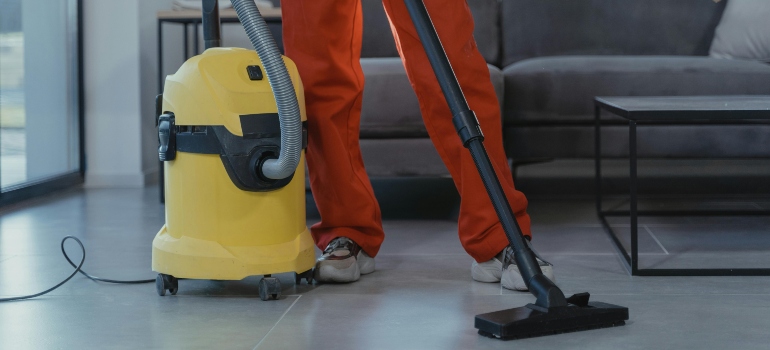
Document any damage immediately for insurance or repair purposes. Small touch-ups like wood polish or repair kits can fix minor scratches. Inspecting floors also helps you plan long-term maintenance. This step completes your relocation process while keeping your floors in top condition. Taking time to clean and assess ensures your hardwood remains beautiful, functional, and protected. Proper post-move care reduces future repair costs and keeps your home ready for everyday life.
Weather considerations during the move
Weather plays a big role in protecting hardwood floors during a move. Rain, snow, or high humidity can cause moisture damage and warping. Water can seep under furniture or coverings and stain floors, so place waterproof mats or plastic sheeting at entryways and keep shoes and movers’ equipment dry. Wood expands in high humidity and shrinks in dry conditions, so use a dehumidifier in damp weather or a humidifier in very dry environments to reduce cracking or buckling.
High-traffic zones near doors are especially vulnerable, so lay non-slip mats or temporary runners to trap moisture and dirt. If possible, schedule moving times when weather is mild and avoid heavy rain or snow. Planning around these factors helps safeguard hardwood floors during relocations and keeps them looking great throughout the move.
When professional help makes sense
Some moves require more protection than DIY methods can provide. Hiring professional floor protection services can save time, reduce stress, and protect your hardwood during relocations. Knowing when to call experts helps prevent costly mistakes and keeps your home safe.
When to consider professionals
If you have expensive or delicate hardwood floors, professionals can manage the risk better:
- Expensive or delicate hardwood floors need extra care.
- Large furniture, antique items, or multi-story moves increase damage risk.
- Tight spaces, corners, or tricky layouts require trained handling.
Benefits of hiring experts
Trained teams bring specialized materials like Ram Boards, floor runners, and non-slip mats. They know how to lift, move, and place furniture without scratching surfaces. Professionals can also spot vulnerable areas you might miss.
While hiring professionals adds cost upfront, it can prevent expensive repairs later. Compared to replacing or refinishing damaged floors, this investment often saves money.
Insurance and peace of mind
Professional movers often provide coverage for accidental damage. Working with them reduces stress and lets you focus on other moving tasks.
Long-term floor maintenance tips for safeguarding hardwood floors during relocations
After your move, maintaining hardwood floors keeps them looking great and lasting longer. Clean floors regularly with a soft broom or vacuum to remove dirt and grit. Use gentle hardwood cleaners to remove scuff marks without damaging the finish. Then, place furniture pads under chairs, tables, and couches to prevent scratches. Rotate rugs and mats occasionally to avoid uneven wear. Control indoor humidity with a humidifier or dehumidifier, as wood can expand or shrink with moisture changes.
Avoid wearing shoes with hard soles or cleats inside to reduce dents. Check for small scratches and treat them with touch-up kits or wood polish. Scheduling periodic professional refinishing helps restore shine and repair minor damage. These habits protect your floors, save money on repairs, and keep your home comfortable. Regular care makes hardwood look new for years and keeps your investment in top shape.

The lasting benefits of safeguarding hardwood floors during relocations
Protecting your hardwood floors during a move requires planning, care, and the right materials. You should clear pathways, clean floors, and lay protective coverings before movers arrive. Training movers to lift furniture instead of dragging it and using floor runners, Ram Boards, or furniture sliders reduces scratches and dents. Watching weather conditions and managing humidity also prevents moisture damage. After the move, inspect and clean floors to spot any issues early and handle minor repairs. Working with professionals like Miracle Movers adds extra protection and peace of mind. Following these steps keeps your hardwood looking great, saves money on repairs, and makes your relocation smoother. Thoughtful preparation and careful handling are key to safeguarding hardwood floors during relocations and maintaining their beauty for years.


