


When preparing for a relocation during freezing months, plants deserve as much care as your furniture or fragile items. They are living elements of your home, connected to your routine and comfort. Their structure is sensitive to temperature, light, and airflow, which means a careless move can cause irreversible damage. Cold air can freeze root cells, halting nutrient transfer and leading to decay. At Miracle Movers, we treat every living item with the respect it needs, offering professional help with moving plants in the winter to maintain their vitality. Whether you’re relocating within the GTA or crossing provinces, timing and method matter. Properly preparing your plants reduces shock, prevents dehydration, and helps them thrive in their new surroundings.

Preparing for moving plants in the winter
Start early. A few weeks before the move, change your clay pots to plastic containers of the same size. Plastic is lighter, less brittle, and retains warmth longer. This adjustment protects root systems during transport and simplifies lifting. After re-potting, prune excess branches or yellowed leaves. This helps conserve energy, allowing plants to focus on surviving transit rather than producing new growth. Use sterilized tools to reduce infection risks while pruning.
Gradually adapt your plants to less sunlight if you’re relocating to an area with shorter days. This prevents sudden light shock once you settle in. Reduce fertilizer use during this stage—fertilized soil retains moisture longer, which can freeze in extreme cold. For long-distance relocations, research the climate at your destination and match your care strategy accordingly. If the journey is extensive, contact experienced movers North York for guidance on temperature-controlled packing techniques tailored to your route and plant species.
Checking plant health and soil stability
Healthy roots and balanced moisture are the foundation of survival during cold transport. Two weeks before your moving date, inspect every pot. Water lightly, then observe drainage. Stagnant water signals compacted soil, which needs gentle aeration. Loosen it with a thin stick or fork without disturbing the root ball.
Check leaves for discoloration or fungal spots—these symptoms often worsen in transit. If you detect issues, treat them promptly and isolate infected plants. Relocation can spread pests quickly when multiple species share one box. In the final days before moving, keep plants indoors with consistent temperatures around 18–20°C. To learn more about plant resistance to frost and regional hardiness, consult the USDA Plant Hardiness Zones. Matching your current and destination zones helps predict which plants will require additional insulation or modified watering schedules.

Packing techniques for temperature-sensitive plants
How to wrap and box plants for safe transport
Packing determines survival. Choose sturdy boxes that match each plant’s height and width. Line the bottom with absorbent paper or bubble wrap to cushion the base and prevent spills. Use old towels or rags to secure pots in place, ensuring they don’t shift during loading. For fragile stems, build lightweight cardboard frames inside the box for added stability. Cover tops with breathable cloth to block cold air while allowing ventilation.
Mark every box clearly: “LIVE PLANTS – HANDLE WITH CARE.” Visibility ensures movers prioritize their safety. Labeling also helps during unloading when boxes are stacked quickly.
If you’re working with movers Brampton, discuss maintaining moderate cabin temperatures throughout the trip. Their team coordinates timing so plants spend minimal time outside. Communicate which boxes contain greenery so they can adjust handling accordingly. This cooperation between homeowner and mover builds an environment where both logistics and plant care align perfectly.
Vehicle temperature control during winter trips
Temperature consistency is key during transit. Vehicles left in the cold for long periods can rapidly drop below freezing, endangering your plants. Before loading, warm your car slightly. Never expose the boxes to extreme heat or direct vents, as sudden temperature fluctuations can be as harmful as the cold.
During long journeys, plan occasional stops to check on your plants. Keep them inside the cabin whenever possible, especially for overnight stays. Avoid opening boxes unnecessarily—each time you expose them to outdoor air, you risk frost damage. If temperatures drop below zero, use thermal blankets or plant heat packs to maintain steady warmth. For multi-day relocations, schedule breaks at rest stops where you can briefly move boxes indoors. These small efforts protect delicate leaves and preserve soil consistency. Your plants will arrive healthy and ready for acclimation.
Settling plants after arrival
Upon reaching your new home while moving plants in the winter, make the plants your first priority. Unload them before furniture or other items, and keep them in a stable, temperate area. Unwrap each one gently, avoiding stress to stems and roots. If leaves appear limp or discolored, resist the urge to prune immediately—many species recover once humidity stabilizes.
Let the plants rest in their travel pots for at least 24 hours before re-potting into their permanent containers. This recovery time allows roots to adjust and prevents shock. When you finally re-pot, inspect roots for frostbite or rot. Cut damaged parts carefully and replace old soil with fresh, well-draining mix. Afterward, water lightly and avoid direct sunlight for a few days. Overexposure right after moving can cause dehydration.
Protecting against cold drafts and dry air
New environments while moving plants in the winter can dry plants quickly, especially if central heating runs often. Keep them away from vents, radiators, and exterior doors where cold air seeps through. Drafts may cause leaves to curl, brown, or fall prematurely. Instead, create a cluster of plants in a well-lit corner. Their combined humidity helps maintain moisture levels naturally.
Use a humidifier or place shallow water trays nearby. As water evaporates, it creates a mild microclimate around your plants. This helps counteract the dryness typical of heated indoor air. Clean leaves regularly to remove dust that blocks light absorption. If possible, rotate pots weekly to encourage balanced growth. Seeking advice from horticultural programs or environmental organizations can also help adapt your care strategy to local winter patterns. Their resources explain how humidity, temperature, and air circulation interact inside your home, guiding you to maintain a stable indoor ecosystem.

When professional help makes relocation easier
Relocating household plants requires coordination, equipment, and time—elements not every homeowner can balance during a busy move. Working with professionals offers structure and security for every step. Expert movers transport your plants under monitored temperatures, protecting their vitality from departure to arrival.
Our Miracle Movers team provides specialized services across the Greater Toronto Area, including the area served by Vaughan movers. Each relocation plan is tailored to distance, plant type, and expected weather conditions. We use insulated trucks, adjustable shelves, and breathable coverings to stabilize environments. This approach prevents freezing, soil shifting, and accidental breakage.
Combining these insights ensures your household, from tools to greenery, adapts safely to seasonal relocation demands.
Understanding distance and timing factors
Distance defines complexity. Local moves usually allow plants to remain inside your car, protected from direct cold. Position boxes behind seats to shield them from sunlight and airflow. Longer routes introduce unpredictable weather conditions. When crossing provinces, plan around weather forecasts and avoid travel during snowstorms or extreme temperature drops.
Choose mid-morning or early afternoon departures when outdoor temperatures are relatively higher. For more information on mid-winter relocation you can explore the relevant strategies that might suit you needs. For multi-day trips, monitor road closures or freezing warnings. Mobile thermometers placed inside boxes provide live updates on internal temperatures, helping you act quickly if conditions change. Investing in these small devices gives peace of mind and increases plant survival rates. Organized timing minimizes stress, preserving the structure and color of leaves while keeping soil from freezing solid.
Post-move adaptation and light management
After settling in, monitor each plant’s condition daily. Wilting or yellowing may indicate humidity imbalance or lack of light rather than disease. Gradually introduce them to their new environment. Shift them closer to windows during daylight hours but keep them insulated from direct drafts. Rotating pots once every few days maintains even exposure, encouraging symmetrical growth even during shorter winter days.
Avoid fertilizing for at least two weeks after moving. The roots are still adjusting, and extra nutrients may overwhelm them. Once recovery begins, return to regular feeding cycles. To boost humidity, mist foliage lightly once or twice a week. This practice refreshes leaves and prevents brittle texture. Households with tall plants like palms or indoor trees should maintain steady hydration while avoiding soggy soil. Controlled care at this stage determines whether your greenery thrives or struggles through its new seasonal rhythm.
You can read more about do’s and don’ts for winter relocation so as to get more information thereof.

Planning for outdoor re-placement
Garden plants or shrubs require additional patience during cold months. The soil in your new yard may remain frozen for weeks, making replanting impossible. Store these plants in ventilated indoor or garage spaces until thawing begins. Cover roots with burlap or straw to preserve warmth and moisture.
When spring arrives, inspect the ground before replanting. Soft soil indicates the right time to move your plants outdoors. For extra protection, apply mulch after transplanting to regulate moisture and prevent sudden temperature shifts. Consult Ontario’s agricultural extension offices for region-specific soil and pH information. Their data helps match plant types with optimal local conditions, minimizing transplant shock. With patience, your outdoor greenery will soon stabilize, reflecting the same health it had before the move.
Handling rare or tropical species
Exotic plants demand meticulous care during cold seasons. Their sensitivity to temperature and humidity fluctuations makes winter transport particularly delicate. For species like orchids, succulents, and bromeliads, wrap pots in kraft paper followed by breathable plastic to preserve warmth without trapping condensation. Avoid sealed bags that suffocate roots.
If your route spans several hundred kilometers, insulated boxes with heat packs designed for florals can maintain stable warmth for up to two days. Monitor the interior frequently, and replace heat packs if necessary. Some tropical species prefer darkness during travel to prevent leaf stress. Research each plant’s preference before departure to adjust light and moisture levels appropriately. Labeling boxes with both plant names and care notes helps movers maintain accuracy during handling. These small but deliberate measures safeguard even the most sensitive plants from the harsh reality of winter relocation.
Emotional connection and motivation to act
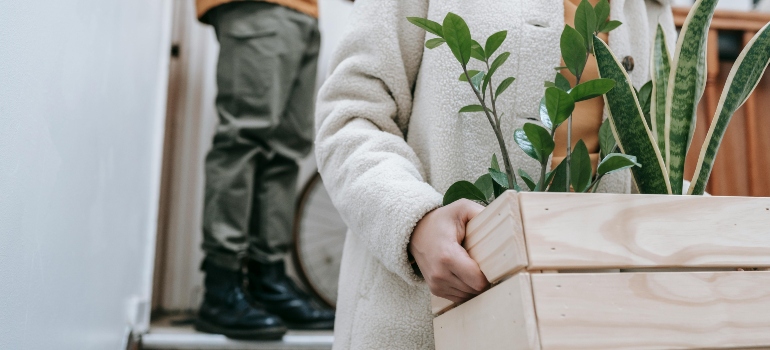
Plants are more than décor—they are living parts of your daily life that symbolize care, patience, and growth. Preserving them during a move nurtures a sense of continuity amid change. Watching your greenery flourish again in a new home reinforces the feeling of stability, even after major transitions.
Miracle Movers understands that every item you move carries personal meaning. Our trained teams handle household relocations with precision and empathy, treating each plant as part of your family’s comfort. We build relocation plans that respect your schedule and protect your living treasures. From fragile indoor blooms to tall trees ready for replanting, we bring reliable service shaped by years of experience and trust across Ontario.

Final thoughts: why moving plants in the winter requires the right care
Moving plants in the winter during harsh weather calls for deliberate attention and thoughtful pacing. Each stage—from re-potting to unpacking—affects how plants respond to the new climate. Preparation ahead of time, combined with professional support, increases survival chances and restores vitality faster. With measured steps and steady patience, your plants can thrive even after enduring long journeys through the cold. Miracle Movers continues to assist families who care deeply about their homes’ living elements, offering guidance, protection, and organization. When treated with consistency and respect, your plants will not just survive the winter—they will flourish in your new environment, adding life and warmth to every corner of your home.


