


Winter creates an inviting atmosphere indoors, yet the season reshapes every part of relocation planning. Cold air, icy surfaces, and unpredictable snowfall require a different approach to organizing your schedule, preparing your home, and coordinating transportation. These conditions shift the pace of your move, influence how you pack delicate belongings, and change how much time you must allocate for each stage. When you explore trusted support, you establish a foundation that keeps your move steady from the first packed box to the final walkthrough dos and don’ts for winter relocation.
Begin by reviewing services offered by Miracle Movers Toronto, who provide the structure and guidance needed to keep your relocation organized during winter. Their teams plan around temperature drops, shorter daylight hours, and possible delays due to road conditions, which gives you more confidence while preparing your home and arranging transportation.
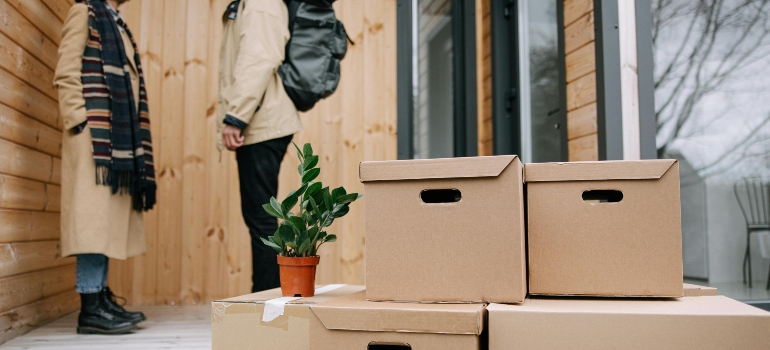
Strengthen your packing plan with winter-ready supplies
A winter relocation demands a more thoughtful packing system because moisture, temperature swings, and icy surfaces influence how well your belongings withstand transport. You protect your items by selecting sturdy materials that resist cold-weather damage and hold their structure during movement between warm and outdoor environments. Standard cardboard boxes lose durability when exposed to snow or dampness, so choose reinforced containers, weather-resistant tape, and bubble wrap with thick cushioning.
Additional padding prevents sensitive items from cracking, warping, or freezing during exposure to low temperatures. Thick blankets, towels, and fabric layers work well when covering electronics, artwork, and wooden pieces that react to cold air. You elevate your preparation further by coordinating specialized wrapping through packing services Toronto, which offers professional techniques that safeguard delicate belongings. These services streamline your packing stage, reduce exposure to winter air, and help your items travel securely across any distance.
For households handling their own packing, preparing several layers of protective material prevents cold from penetrating fragile surfaces.
Prepare your home for winter loading conditions
Your home becomes more vulnerable during a winter relocation because snow, mud, and ice follow every step from the outdoors into high-traffic areas. You simplify loading when you prepare your space before movers arrive. Begin with your entry points. Clear walkways, driveways, and any paths leading to the moving truck, then apply sand or eco-friendly salt to increase traction. These small steps prevent slips that can slow progress or endanger anyone carrying heavier items. Once the exterior is ready, shift your focus inside. Lay down protective coverings throughout hallways, doorways, staircases, and any area where moisture could create slippery surfaces.
Thick runners, durable mats, or waterproof sheets keep the interior clean and give movers the stability needed for efficient lifting. To avoid clutter and unnecessary delays, gather your winter-specific materials ahead of time through packing supplies Toronto, which helps you restock essentials without waiting for last-minute deliveries.
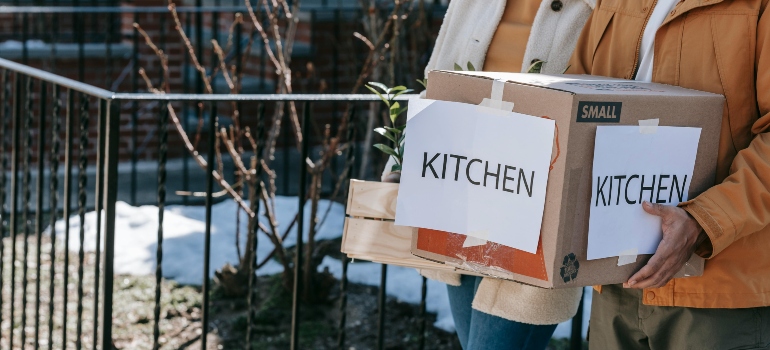
Begin early and adjust your schedule around winter timing
Winter daylight disappears faster than any other season, which reshapes how you structure your moving day. Beginning early gives you access to natural light during critical hours and lowers the pressure caused by sunset arriving in the late afternoon. You maintain steady progress when you allow extra time between tasks, leaving room for weather-related slowdowns or last-minute adjustments.
Early starts give you space to work safely while maintaining a consistent rhythm throughout the day. Travel time also changes during winter, particularly for long-distance or multi-province moves. Snowfall, icy highways, and reduced visibility influence driving speed and may extend your arrival window. Understanding these timing adjustments forms part of the dos and don’ts for winter relocation, helping you stay organized and proactive when facing seasonal challenges.
When planning a long route, coordinate guidance through movers Calgary, whose teams understand winter road conditions across varying elevations and climates. Their insight helps you structure a more realistic travel timeline and prepare your belongings for extended exposure to colder temperatures.
Ignore weather forecasting and winter-specific risks
Weather becomes one of the strongest variables during a winter relocation, and ignoring forecasts exposes your schedule to sudden complications. You gain stronger control over your timeline when you monitor the weather at your current location and your destination several days before moving. Snowstorms, freezing rain, wind gusts, and extreme cold can impact driving conditions, loading efficiency, and even how long movers can safely operate outdoors. Keep track of reliable weather alerts and compare updates from multiple sources.
If you expect a longer route across regions with different climates, stay aware of temperature drops that may harm temperature-sensitive belongings. Planning ahead becomes even more crucial when coordinating larger distances such as moving from Canada to US, where road conditions shift dramatically across borders. Winter storms in one province may not match conditions further south, which makes forecasting essential for route timing. Checking the weather allows you to adjust loading strategies, prepare additional insulation for fragile items, or warm your vehicle before departure.
Checking local winter-weather forecasts helps you avoid the biggest risks of a move. See guidelines from the National Weather Service. Reliable forecasts help movers adapt plans and protect valuable belongings.
Lower your guard when managing heating, clothing, and essential access
Temperature management becomes a key part of winter relocation because frequent door openings allow cold air to circulate throughout the home. Keeping your heating system at a moderate level prevents unnecessary strain while maintaining a comfortable environment for movers. Excessive heating wastes energy because warm air escapes immediately each time a door opens, yet insufficient heating makes the interior uncomfortable for anyone carrying heavy boxes. Set a balanced temperature that keeps people warm enough to work efficiently without forcing the system into overuse.
Prepare your new residence in advance by turning on the heat before arrival, especially if you expect a long drive or delays due to winter weather. Whether you need a local, cross-province, or cross-border relocation of your office or place of residence, rest assured our experts will handle your valuable belongings and memories with complete professionalism and precision. Be confident that we’re a company devoted to following our customer’s needs using the latest industry practices.

Protecting delicate items from extreme temperature shifts
Cold weather creates rapid temperature changes that affect several categories of belongings, especially items with internal components or natural materials. Electronics, musical instruments, fine art, and wooden furniture respond strongly to low temperatures because their surfaces contract, moisture forms around exposed edges, and internal hardware becomes more vulnerable when moved between cold outdoor air and a heated interior space. You safeguard these items by preparing a well-layered insulation method that slows down temperature shocks being one of 6 dos and don’ts for winter relocation.
Wrap each piece with a combination of bubble cushioning, fabric pads, and thicker outer layers that hold warmth longer. Place these boxes in an area of your home that maintains a stable temperature until they are loaded last. This shortens the amount of time they spend in the cold. Heavy pieces such as pianos or large speakers also benefit from being wrapped tightly to prevent exposure to moisture while they sit outside during loading.
Practical protection tips
To reinforce protection for delicate belongings, focus on these winter-specific packing steps:
- Use double-wall boxes for electronics and artwork.
- Add silica gel packs inside containers holding sensitive materials.
- Seal every item fully to prevent cold-air penetration.
- Keep fragile pieces indoors until the final loading stage.
- Avoid placing delicate containers near truck doors or exterior walls.
In order to make sure your winter relocation transpires smoothly and without any hitch, you should know what you are getting into when planning your relocation. Researching and carefully organizing your process won’t only help you avoid common mistakes but also help you focus on every detail, from how to pack things to whether or not to tip your movers.
Navigating winter roads and transportation challenges
Transportation becomes more complex during winter because road surfaces shift quickly between safe and hazardous conditions. Snow accumulation, freezing rain, black ice, and low visibility influence travel speed and determine whether a route remains open. You strengthen your relocation strategy when you account for these variables early. Begin by checking traffic updates the evening before your move and again on the morning of your scheduled departure. This helps you confirm whether certain highways require alternative routes or whether some areas expect delays due to plowing schedules.
If your move covers longer distances, prepare extra blankets, warm drinks, and battery packs inside your vehicle to keep everyone comfortable while traveling through colder regions. Winter roads demand slower driving, wider braking distances, and increased awareness of other drivers who may struggle with icy conditions. Professional movers understand these challenges and adopt safe speeds that balance responsibility with efficiency. If you follow the moving truck in your own vehicle, leave additional space to avoid sudden stops.

Supporting your moving team during winter conditions
A winter relocation becomes more productive when you create a supportive environment for your moving team. Cold weather places additional strain on anyone loading, lifting, and carrying items across snowy or icy surfaces. You help maintain steady progress when you provide warm access points, clear walkways, and a consistently safe route from your home to the moving truck. Keep hot drinks available, along with a warm indoor space where movers can take short breaks to recover from the cold. These moments help maintain energy levels and reduce fatigue, especially during longer loading sessions. Make sure exterior lighting remains strong throughout the day because shadows form earlier in winter and can create dangerous blind spots.
Indoors, maintain dry floors by replacing wet mats as needed, preventing slippery areas that slow down the moving process. If you prepared a clear staging area near the entrance, point it out immediately so the team knows where to place boxes without blocking pathways. Winter moves require more communication than warm-season relocations. Discuss your priorities early, review any fragile items that need extra care, and offer updated weather information if conditions change during loading.
Maintaining energy and momentum during a winter moving day
A winter relocation demands steady focus because colder temperatures, slippery surfaces, and shorter daylight hours influence how efficiently your moving day unfolds. You sustain better momentum when you prepare your body and environment for extended time outdoors. Begin with warm, layered clothing so you can adjust your temperature easily without interrupting your workflow. Keep water, warm drinks, and snacks accessible because hydration and consistent energy levels matter even in colder weather. Your pace improves when you take short, intentional breaks instead of working until fatigue sets in.
Simple tips for winter relocation help you maintain productivity during winter conditions:
- Keep a thermos of warm tea or coffee near the entrance.
- Choose gloves with strong grip for carrying boxes.
- Rotate tasks between indoor and outdoor areas to avoid long cold exposure.
- Use portable heaters in staging areas when possible.
When you manage energy strategically, your relocation remains organized, safe, and steady, regardless of the temperature outside.

Conclusion
A winter relocation requires more coordination, yet the season offers a chance to approach your move with clarity, structure, and resilience. You gain stronger control when you combine early planning, well-organized packing, careful home preparation, and ongoing weather monitoring. These steps work together to reduce uncertainty and create a clear path from your current home to your next destination. The challenges of winter do not disappear, but you rise above them by making thoughtful choices that protect your belongings and support everyone involved in your move. Each strategy described throughout this guide strengthens your ability to handle colder temperatures, shorter days, and unpredictable conditions with confidence. Stay adaptable, trust your preparation, and let your planning guide every step toward huge success.


