


Most people who have experienced relocation will agree that packing is one of the trickiest parts of moving. Not because it’s hard to put things into boxes, but because packing decisions affect the entire relocation timeline—from the first day you start sorting to the moment your last box is unloaded. In Canada, where weather shifts fast, moving rules vary between companies, and some items are restricted for safety reasons, knowing what to leave out is one of the smartest steps you can take. This guide breaks down the items to avoid packing during relocation so you can reduce damage, prevent delays, and avoid last-minute panic. If you want a smoother experience, professional GTA movers can also keep your packing process safer and more organized.
Why movers in Canada refuse certain items (and why you should too)
Moving companies in Canada don’t refuse certain items to be difficult. Most refusals come down to safety risks, insurance liability, or regulations that make transporting specific goods dangerous or impractical. For example, a box that contains flammable liquids or corrosive cleaners can become a serious hazard if it leaks in a warm truck or freezes and cracks open in winter. Even items that seem harmless at home can create major problems when packed tightly for long-distance transport. Understanding these restrictions early helps you build a realistic moving plan and avoid surprises on moving day. If you’re coordinating a move across the Greater Toronto Area, working with experienced packing services Toronto can also help you confirm what is allowed and how to handle tricky categories properly.

Hazardous and flammable household items (never load these into the truck)
The first and most important category of items to avoid packing during relocation includes anything that is flammable, explosive, corrosive, or toxic. Many of these items exist in every home, which is why people overlook them. Common examples include gasoline, kerosene, propane tanks, paint and paint thinner, aerosol sprays, bleach, pesticides, certain disinfectants, and strong solvents. These products can ignite, leak, or cause fumes in an enclosed moving vehicle—especially during warm months when truck interiors heat up quickly. In Canadian winter conditions, freezing temperatures can cause containers to crack, making spills more likely. The best solution is to use these products up, give them away responsibly, or dispose of them using local municipal guidelines before moving day. To keep safe items organized without relying on weak cardboard, many people prefer sturdy options like plastic moving bins Toronto local recommend for more controlled packing and fewer crushed boxes.
Ammunition, firearms, and weapon-related items (special rules apply)
Ammunition, firearms, and related items require extra caution in Canada, and most moving companies will not transport them. This is not just a company preference—it’s a risk and legal issue. If you own firearms, you should handle transport personally and ensure you follow all storage, documentation, and safety requirements applicable to your situation. Even if your relocation is within the same province, you should never treat these as regular household goods. The complexity increases significantly if you are crossing borders, especially for people moving from Canada to US, because regulations, declarations, and permitted transport conditions can change quickly. This is one of those categories where guessing is a bad strategy. Plan early, confirm the rules, and keep these items out of the moving truck entirely unless you have professional guidance that explicitly allows it.
Perishable food and temperature-sensitive items (they rot, leak, and create odor)
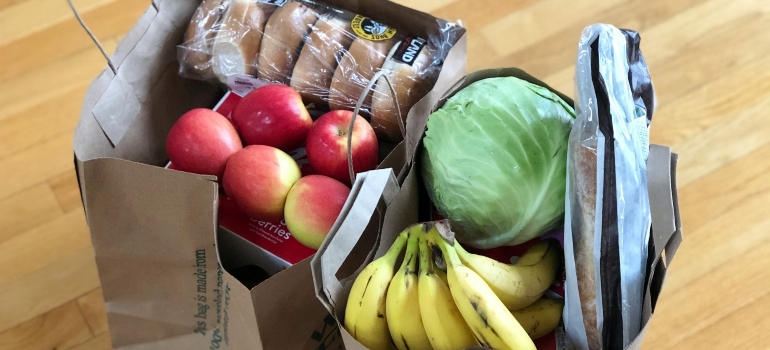
Another common group of items to avoid packing during relocation is perishable food and temperature-sensitive items. Most movers will not transport fresh or frozen food because it can go bad, leak, smell terrible, and attract bugs. Even if you’re only moving a short distance, delays happen—traffic jams, elevator bookings, late truck arrival, weather issues, or key handovers can all extend moving time. In Canada, these risks are amplified because temperature conditions inside vehicles can be unpredictable. Dairy and meat spoil quickly in warmth, and frozen food can thaw, leak, and refreeze into a messy disaster. The best approach is to plan your final week around eating what you already have: cook simple meals, reduce freezer inventory, and donate unopened items you won’t use. For moving day itself, pack a small cooler with essentials like snacks, water, and anything you need to access quickly without opening multiple boxes.
Plants and soil-based items (often not allowed for long moves)
Plants are emotionally valuable to many people, but they are also some of the hardest items to relocate safely. Even though they look sturdy on a windowsill, plants suffer quickly in the enclosed conditions of a moving truck. They can overheat, freeze, snap, dry out, or get crushed under shifting cargo. This is why many long-distance moves either restrict plants or strongly discourage transporting them. Soil-based items can also spill, create mess, and potentially introduce pests into new environments. For short-distance moves, it’s usually safest to transport smaller plants in your personal vehicle where you can control temperature and prevent damage. For longer moves, consider giving your plants to friends, neighbors, schools, or community spaces. It’s often better to restart your plant collection in your new home than to watch everything decline during transport.
Pets (they should not travel in the moving truck—ever)
Pets should never travel in the moving truck, even for short distances. Trucks are loud, stressful, and often subject to extreme temperatures. The safest option is to transport pets in your personal vehicle, ideally in a secure carrier. If you’re moving farther away, you may consider airline travel, but that requires planning in advance and meeting specific requirements. Another option is a certified pet moving service for complex relocations. Regardless of the method, your goal should be to keep your pet calm, hydrated, and away from the chaos of loading and unloading. Many moving-day accidents happen because doors stay open and pets escape during the busiest moments. Prepare a pet “go bag” with food, water, a leash, comfort items, and any medication. Treat pets as priority passengers, not cargo.
High-value, sentimental, and irreplaceable items (always keep these with you)
This is where many people underestimate risk. A moving company can be careful and professional, but any item that is truly irreplaceable should never be treated like standard freight. The most important items to avoid packing during relocation include cash, jewelry, family heirlooms, photo albums, personal collectibles, fragile art, and sentimental objects that can’t be replaced with insurance money. Movers may not be able to guarantee replacement value, and even when claims are possible, proof and timelines can become frustrating. Keep these items with you in a dedicated bag or small suitcase that stays in your control from start to finish. If something matters enough to cause heartbreak if lost, it belongs in your personal transport plan, not the moving truck.

Important documents and identity records (pack separately, not in random boxes)
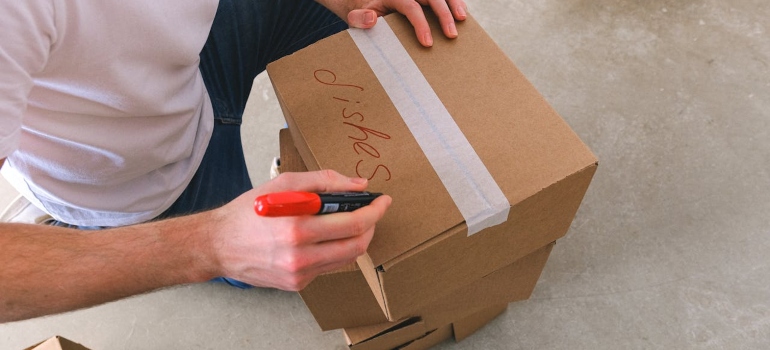
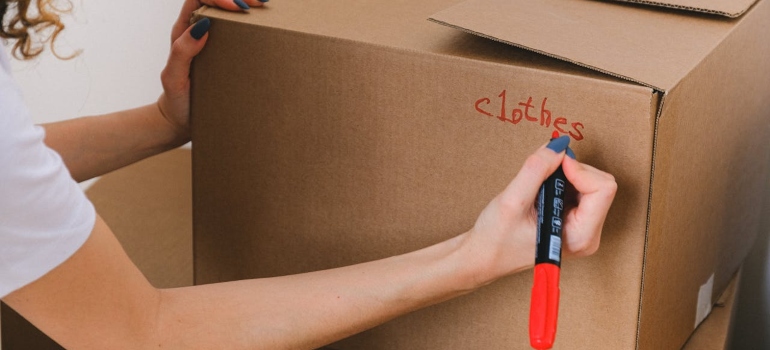
Canada-specific moves often involve paperwork and identity documents that you cannot afford to lose. Think passports, PR documents, driver’s licenses, health cards, birth certificates, insurance paperwork, lease agreements, mortgage documents, school records, and any moving-related contracts. These should never go into a random “kitchen drawer” box that could be misplaced. Use a dedicated folder or document organizer and keep it with you. Digital backups are also smart, but they do not replace having originals available during relocation. The key is accessibility: you want to be able to reach your essential documents within seconds, not after opening ten boxes. For the rest of your packing, clarity matters too, and a proven system like labeling containers for relocation can prevent confusion and reduce the time you spend searching for basics.
Liquids that can leak (even if they aren’t dangerous)
Not every liquid is hazardous, but many liquids still create chaos during a move. Shampoo, conditioner, detergent, cooking oil, sauces, and cleaning products can leak and soak boxes, ruin clothing, damage papers, and weaken cardboard. Changes in temperature can worsen this, especially in Canadian winter conditions where freezing can expand liquids and push lids open. The safest approach is to minimize liquids before moving and transport only what you truly need. If you must pack liquids, double-seal them in leak-proof bags, store them upright, and separate them from fabrics or electronics. Some families prefer moving liquids in a dedicated bin so one spill doesn’t contaminate everything else. The goal is not perfect packing—it’s contained risk.
Opened toiletries, cosmetics, and household chemicals (risky + usually replaceable)
Many opened toiletries and cosmetic products are technically “safe,” but they’re still poor candidates for a moving truck. Items like nail polish, nail polish remover, perfumes, alcohol-based sanitizers, hair sprays, and certain disinfectants can leak or pose flammability concerns depending on their ingredients. Even when movers allow them, they’re often fragile and prone to spills. From a practical perspective, these products are usually replaceable and not worth the risk of damaging other belongings. Use them up before you move or pack small quantities in your personal bag if needed immediately. This is especially relevant for moves during extreme weather, because heat and cold can change product consistency and create unexpected leaks. Packing smart means avoiding avoidable mess.
Batteries, power banks, and electronics “loose parts” (damage and fire risk)
Electronics are a major investment, but the real problem isn’t always the device—it’s the small accessories. Loose lithium batteries, power banks, and mixed cables thrown into one box can get crushed, bent, or damaged. While the risk of battery issues is rare, it’s serious enough that many people prefer carrying these items themselves. Additionally, losing chargers, adapters, and external drives can slow down your work and make your first week after relocation frustrating. If you’re packing electronics, separate them into smaller pouches or compartments, label them, and protect them from pressure. Always back up important data before moving day. Consider your first 48 hours in the new home: the goal is to have what you need to function without digging through random boxes.
Furniture and bulky items you can move—but should pack correctly
Not everything bulky should be avoided. Some people assume that large items belong on a “do not pack” list, but the truth is they simply need correct handling. Mattresses, mirrors, televisions, tables, and large décor can be moved safely if they are protected properly. The real issue is that bulky items take damage when they are exposed, poorly wrapped, or packed in a way that allows shifting. Disassemble what you can, protect corners, and use appropriate coverings. Avoid stacking heavy items against delicate surfaces. If you’re unsure how to handle awkward shapes, a guide on how to pack your bulky things for relocation can help you avoid common mistakes that lead to cracks, dents, and broken parts.
Too-much-stuff items (if it’s not worth moving, don’t pack it)
One of the most modern and relevant 2026 categories of items to avoid packing during relocation is “stuff that costs more to move than to replace.” This includes old clothes you no longer wear, broken appliances you’ve been meaning to fix for years, mismatched dishes, outdated cables, bulky décor you don’t even like anymore, and duplicates of items you rarely use. These things quietly increase your moving cost by increasing time, volume, and effort. Even if moving companies charge by the hour rather than by weight, clutter slows everything down. A pre-move purge is one of the easiest ways to make relocation faster and cheaper. Many families sell usable items and donate the rest, and if you want a clear step-by-step approach, you can organize a yard sale before moving to cut down your load and arrive with fewer regrets.
A quick “do not pack” checklist for moving day (Canada edition)
If you want a simple way to prevent last-minute mistakes, use this checklist as your final filter before anything goes into a box. It’s built around the most common problem categories movers deal with, so you don’t end up with leaks, damage, delays, or items that should’ve stayed with you.
- Use this checklist as your final filter before anything goes into a box, especially when you’re packing fast and tired.
- Do not pack hazardous chemicals, such as: fuel, propane tanks, aerosols, and solvents.
- Do not pack corrosive cleaners, including heavy-duty or industrial-style products.
- Do not pack paint products, like paint cans, thinners, and related supplies.
- Do not pack pesticides or any toxic pest-control items.
- Do not pack perishable food that can spoil, smell, or attract pests.
- Do not pack freezer items (they thaw, leak, and make a mess fast).
- Do not pack fragile plants for long-distance moves (they rarely survive truck conditions).
- Do not pack pets in the moving truck—transport them separately and safely.
- Do not pack cash or jewelry—keep them on you at all times.
- Do not pack irreplaceable heirlooms (sentimental value can’t be reimbursed).
- Do not pack important documents (keep them in a personal folder or travel bag).
- Do not pack leaky liquids, even “harmless” ones like shampoo, detergent, or cooking oil.
- Add anything sentimental or high-value that you’d panic over if it went missing.
What to do instead (safe alternatives that actually make moving easier)
Once you know what you shouldn’t pack, the next step is choosing what to do instead. Start by using up hazardous products and cleaning supplies before moving week, and responsibly dispose of what remains. Eat down perishable food and plan simple meals to reduce waste. Give away plants you can’t transport safely, and handle pets personally with calm, controlled transport. Keep valuables and documents in a dedicated bag that stays with you. For items that movers allow but are fragile, pack them with padding and avoid overloading boxes. Most importantly, build a “first-night essentials kit” with toiletries, chargers, basic kitchen items, and a change of clothes. That kit alone can make the first day in your new home dramatically easier. When you design your system around safety and access, the items to avoid packing during relocation naturally stay out of your workflow, and everything else becomes easier to manage.
These are the items to avoid packing during relocation
Relocation in Canada comes with enough stress already—weather, timing, logistics, and the social pressure of getting everything right. The easiest way to reduce problems is to avoid packing the categories most likely to cause damage, delays, or loss. Hazardous products, ammunition and firearm-related items, perishable foods, plants, pets, valuables, important documents, leaky liquids, and unnecessary clutter should be handled differently than regular household goods. Keep irreplaceable items with you, use up or dispose of dangerous items responsibly, and pack allowed belongings with protection and clear labeling. When you treat packing like a strategy instead of a rush job, the experience becomes far more manageable. Once you know the real items to avoid packing during relocation, you protect your belongings, your budget, and your peace of mind—and you arrive ready to start fresh rather than recover from moving damage.