


Moving can lead to unexpected damage. Scratches, cracks, and dents often happen during loading and transport. For example, a glass frame can break under pressure. Likewise, a wooden table can chip at the corners. Sturdy items such as clothes and books pack easily. However, fragile and heavy pieces need careful planning. Therefore, you should understand the commonly damaged articles during relocation before moving day. This knowledge helps you avoid costly repairs. As GTA movers, we handle delicate and valuable items every day. We secure pianos, artwork, and fine china with tested methods. In the sections below, you will see five high-risk items. You will also learn practical steps to protect each one properly.
Why commonly damaged articles during relocation require special handling
Certain belongings face greater danger during a move. Glass, marble, and polished wood scratch or crack easily. In contrast, soft goods rarely break. Heavy pieces also create risk because they shift under pressure. For example, a dresser may slide inside the truck and damage other boxes. These are high-risk household items during moving. In addition, long-distance trips increase exposure to vibration. Over time, small movements can weaken joints and fragile parts.
Vibration, stacking pressure, and temperature changes all affect your items. For instance, heat can expand wood and loosen glued sections. Likewise, cold air can tighten strings in musical instruments. Improper lifting adds more stress. When you lift a sofa the wrong way, the frame may twist. However, professional crews use proper techniques and tools. They distribute weight carefully and secure items tightly inside the truck.

Planning protects your budget. Repairs and replacements often cost more than prevention. Therefore, early preparation matters. Professional teams inspect items before loading. They look for weak points, loose parts, and sensitive surfaces. With packing services Toronto, trained movers wrap, pad, and secure items based on risk level. As a result, your belongings travel safely and arrive intact.
Musical instruments: Delicate structure and climate sensitivity
Musical instruments require careful attention during relocation. They contain delicate strings, glued joints, and fine internal parts. In addition, many are made of wood that reacts to temperature changes. Heat can expand the surface, while cold can tighten strings. As a result, tension builds inside the instrument. That is why they are among the most commonly damaged items during a move. Even small vibrations inside a truck can weaken its structure over time.
Before transport, you should loosen the strings slightly. This reduces pressure caused by climate shifts. Next, place the instrument inside its original case whenever possible. If you do not have one, use a custom-fitted box. Add soft filler materials to prevent shifting. For example:
- Use bubble wrap around the body
- Fill empty spaces with packing paper
- Secure the case inside a sturdy container
- Carry mouthpieces separately in your personal bag.
Large instruments demand special skill. Pianos, for instance, weigh hundreds of pounds. Therefore, improper lifting can damage both the instrument and your property. Professional movers use protective padding, straps, and ramps. They may also use reinforced plastic moving bins Toronto for smaller musical accessories. If your instrument is heavy or valuable, hire trained specialists to handle it safely.
Sports equipment: Managing weight and awkward shapes
Sports equipment can be difficult to move safely. Heavy weights and gym machines create serious risks. If stacked carelessly, they can crack floors or damage other boxes. In addition, loose plates may shift during transport. Over time, vibration inside the truck increases the risk of impact damage. For this reason, sports gear often becomes part of the commonly damaged articles during relocation. You should never place several weights in one box without protection.
Wrap each weight separately with bubble wrap or thick paper. Then place them in smaller boxes to control weight. You can also use clothing as cushioning between metal pieces. This method reduces movement and absorbs shock. Secure long bars and rods in furniture pads. After that, fasten them tightly with shrink wrap. As a result, they stay stable during loading and unloading.
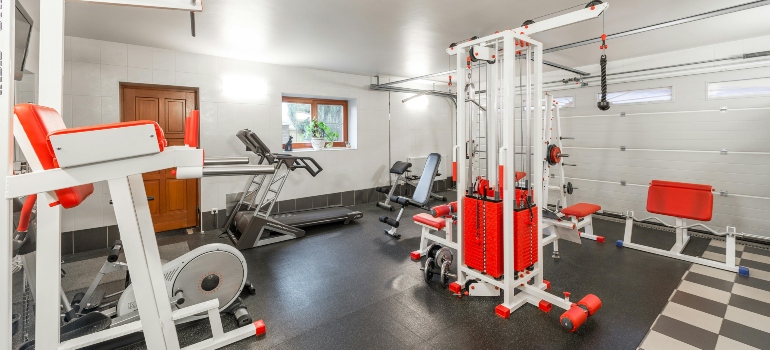
Skis, rackets, and specialty gear need extra care as well. Protect sharp edges with foam wrap and tape. Avoid overloading any single carton. Heavy boxes can break open under pressure. This becomes even more important when moving from Canada to US, where a longer transit increases vibration. Plan weight distribution carefully, and always secure equipment firmly inside the truck.
Furniture among the commonly damaged articles during relocation
Furniture faces a serious risk during any move. Scratches, dents, and chipped paint happen easily. For example, a wooden dining table can scrape against a doorway. Likewise, a dresser can shift and hit another item. Because of their size and weight, these are items frequently damaged during relocation. Even small impacts can leave visible marks. Therefore, you must protect surfaces before loading.
Furniture, blankets, and thick pads provide essential protection. They absorb shock and reduce friction during transport. However, low-quality materials tear under pressure. Thin covers may slide off and expose edges. Instead, use durable moving blankets secured tightly with a wrap. Protect corners with cardboard pieces and bubble wrap. Corners face the highest risk during lifting and turning. Proper padding prevents damage to both furniture and walls.

Large pieces should be disassembled whenever possible. Removing legs from tables reduces stress on joints. Store screws and bolts in labeled bags. Then attach the bags securely to the main piece. Clear labeling prevents confusion during reassembly. Trained crews also know how to maneuver heavy items safely. Residential movers Toronto use lifting techniques that protect floors and walls. As a result, your furniture arrives intact, and your property stays protected.
Framed photos and artwork: Protecting glass and surfaces
Framed photos and artwork require careful handling during a move. Glass panels crack easily under pressure. For example, we once saw a large family portrait break because it lay flat under heavy boxes. Therefore, glass breakage remains a serious concern. Even small vibrations can weaken the surface over time. That is why these pieces rank among the most commonly damaged items during a move. You should always treat them as fragile cargo.
Use foam sheets to cover the glass completely. Then secure the frame with shrink wrap to hold everything in place. Avoid newspapers becausethe ink can stain artwork and mats. Instead, use clean packing paper. In addition, stack frames vertically rather than flat. Glass handles vertical pressure better. We have seen this method prevent cracks during long-distance transport.

Oversized artwork needs extra attention. Large canvases can bend or tear if unsupported. In some cases, custom crates provide the best protection. Professional movers measure and build crates to fit exact dimensions. Valuable pieces also deserve expert handling and proper insurance. If you plan temporary storage, choose climate-controlled storage units Toronto to protect artwork from humidity changes. This extra step preserves both glass and canvas surfaces.
Glassware and china as commonly damaged articles during relocation
Glassware and china demand careful packing during any move. These pieces crack easily under stacking pressure. For example, placing heavy boxes on top of dish cartons can cause fractures. Because of this, they rank among the most commonly damaged items during a move. Even small shifts inside the truck can lead to chips. Therefore, you should control both weight and movement inside each box.
Avoid using newspaper as the main protective layer. Ink can transfer onto plates and cups. Instead, wrap each item individually with clean packing paper. After that, add bubble wrap for extra protection. Place packing peanuts between layers to absorb shock. In addition, cushion the bottom of the box before loading any items. Leave no empty gaps inside. However, do not overfill cartons. Excess weight increases pressure and raises the risk of breakage. The Federal Emergency Management Agency offers general packing preparedness guidance.

Label each box clearly as fragile. Stack them carefully inside the truck. Keep them upright and away from heavy furniture. Finally, add cushioning material at the top before sealing the box. These steps reduce pressure and help your glassware arrive intact.
Preventive measures to protect commonly damaged articles during relocation
Protecting your belongings starts with proper preparation. First, invest in quality packing supplies. Strong boxes, thick bubble wrap, and durable tape make a clear difference. Cheap materials tear under pressure and expose fragile items. Next, choose the right box size based on weight. Heavy dishes belong in small boxes, not large ones. This prevents collapse during lifting. In addition, place heavier items at the bottom and lighter ones on top. Balanced weight distribution reduces shifting inside the carton.
Climate also affects sensitive belongings during long trips. Heat can warp wood, while cold can crack glass. Therefore, consider temperature changes during long-distance transport. Label every fragile box clearly on multiple sides. Mark it as “fragile” and indicate “this side up.” As a result, movers handle it with greater care. Review a checklist of items to avoid packing during relocation before sealing boxes. Certain hazardous materials should never go inside a moving truck.
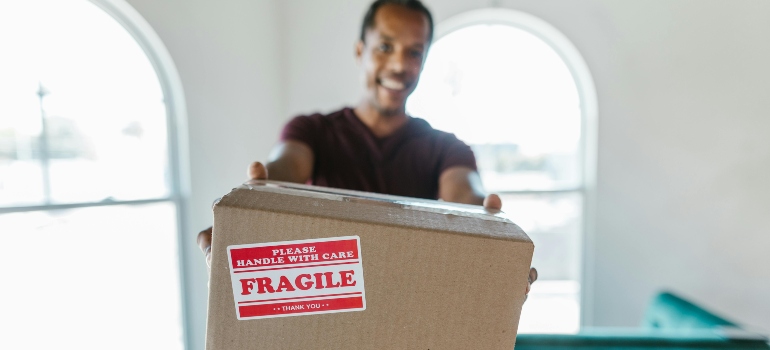
Finally, secure all cartons tightly inside the vehicle. Use straps and padding to prevent movement. Even short drives create vibration. For complex or valuable pieces, hire experienced movers. Professionals understand how to protect commonly damaged articles during relocation with tested methods.
When to rely on professionals instead of handling fragile items alone
Handling fragile items alone can increase risk. If you feel unsure about lifting or packing, that is a warning sign. For example, large mirrors, marble tables, and pianos require special handling. In addition, tight staircases and narrow hallways add complexity. If you lack proper tools or help, DIY packing becomes risky. You may also worry about delays and ask, what can you do when your movers are late. However, professional teams plan schedules carefully and reduce uncertainty.
Insurance and valuation coverage offer another important advantage. Most professional movers provide coverage options for valuable items. This protects you if unexpected damage occurs. In contrast, DIY moves leave you fully responsible for losses. Professional crews also use specialized equipment. They bring dollies, lifting straps, furniture pads, and secure tie-down systems. These tools reduce pressure on fragile surfaces during transport.
Training makes a major difference as well. Movers learn safe lifting techniques that protect both your belongings and your property. They know how to angle items through doorways without scraping walls. Moreover, repair costs often exceed professional service fees. Replacing a damaged dining table or artwork can be expensive. Experienced movers lower damage rates and protect your investment.
Final checklist to prevent damage before moving day
Start your preparation with a careful inspection of your belongings. Look for existing scratches, loose joints, or weak areas. For example, check table legs and cabinet hinges. Then take clear photos of valuable items. These images serve as documentation in case damage occurs. In addition, keep digital copies stored safely. This step protects you during claims. Even when relocating on a budget, documentation should never be skipped.
Next, follow the correct packing sequence. Pack heavier items first and place them at the bottom of each box. Then add lighter pieces on top. Confirm truck space allocation in advance. Make sure fragile cartons stay away from heavy furniture. Moreover, verify that each item has enough padding. Check that bubble wrap, foam, or blankets fully cover exposed surfaces.
Communication also plays a key role. Inform movers about fragile or high-value pieces. Provide clear written instructions when needed. In addition, review your insurance or valuation coverage before moving day. Understand what is protected and under which terms. Ask questions if anything seems unclear. Careful planning reduces stress and prevents costly damage.
Protect what matters most during your move
Understanding which belongings face the highest risk helps you move with confidence. Glassware, furniture, artwork, and instruments require careful handling. Therefore, preparation always makes the difference. When you identify commonly damaged articles during relocation, you reduce costly surprises. Simple steps such as quality packing, proper labeling, and balanced loading protect your investment. Our team handles fragile and heavy items every day. We use proven methods, protective materials, and trained lifting techniques. As a result, your belongings travel safely. Instead of taking unnecessary risks, choose professional support for peace of mind. Protect your valuables the right way. Contact our team today for expert packing and secure moving solutions tailored to your needs.
FAQ’s
1. What items are most likely to get damaged during a move?
Glassware, mirrors, framed artwork, wooden furniture, and musical instruments face the highest risk. These items are sensitive to pressure, vibration, and temperature changes. Heavy gym equipment and large appliances can also cause damage if not secured properly.
2. How can I protect fragile items during relocation?
Wrap each item individually with packing paper and bubble wrap. In addition, use sturdy boxes and add cushioning at the bottom and top. Label boxes as fragile and avoid placing heavy items on top of them.
3. Is it better to hire professional movers for delicate items?
Yes, especially for pianos, marble tables, antiques, and oversized artwork. Professional movers use proper equipment, protective padding, and safe lifting techniques that reduce the risk of damage.
4. Does moving insurance cover damaged items?
Most moving companies offer basic valuation coverage. However, you can request additional protection for high-value items. Always review the policy details before moving day.


