


Finding your dream hobby farm in Alberta is an exciting adventure filled with fresh air, open spaces, and the promise of a simpler lifestyle. Alberta’s breathtaking rural landscapes, strong farming communities, and relatively affordable land make it the ideal place to start your hobby farm journey. Whether you want to grow your own vegetables, raise a few animals, or just enjoy the peaceful countryside, this province has everything you need to make your dream a reality.
This guide will walk you through the key steps to consider when choosing a property, what kind of lifestyle to expect, and how to plan a smooth transition. And when it’s time to move, trusted professionals like Miracle Movers Canada can help make the process easy and stress-free. Let’s explore how to turn your vision into a reality in Alberta’s beautiful rural heartland.
Choosing your acreage
Before moving to Alberta, it’s important to think carefully about the kind of land that suits your goals and lifestyle. Choosing the right acreage is one of the biggest decisions you’ll make when finding your dream hobby farm in Alberta. A good rule of thumb is to start small—around 5 to 10 acres. This size offers enough space for gardening, a few animals, or other small farming activities, while still being affordable and manageable. Parcels in this range typically cost between C$90,000 and C$150,000, making it a smart starting point for new hobby farmers according to hansenland.ca.
Location also plays a key role in your long-term comfort and convenience. Look for properties that are close to smaller towns like Red Deer or Sylvan Lake. These areas give you easy access to essential supplies, services, and community events, while still offering the peace and privacy that rural life is known for. Being a short drive from town means you won’t have to travel far for groceries, equipment, or a quick coffee break. You’ll still get to enjoy the beauty of Alberta’s countryside every day.

Zoning and farm status are also important
Before moving to Alberta and starting your hobby farm, it’s essential to understand the local zoning rules and how they affect what you can do with your land. Zoning determines everything from the type of buildings you can have to whether you qualify for certain tax benefits. Knowing the difference between zoning types and what’s required to get recognized as a farming operation can help you avoid surprises and plan smarter.
Consider farm fuel and tax benefits
If you’re hoping to save on operating costs, there are some great incentives available—if you meet the requirements. To qualify for marked-fuel (also known as purple diesel, which is taxed at a lower rate) and reduced property taxes, your farm must produce at least C$10,000 worth of agricultural goods per year. This threshold is important to determine whether your operation counts as a working farm, which can lead to significant savings on both fuel and taxes.
Rural residential vs. agricultural (AG) zones
The type of zoning your land falls under will shape what you can do on it.
-
Agricultural (AG) Zones are designed for full-scale, commercial farming operations. These properties usually come with more land, but they also have stricter rules. For example, you generally can’t subdivide a parcel smaller than 32 hectares without special approval. If you’re planning a larger operation or want to expand in the future, AG zoning might be the right fit.
-
Rural Residential Zones, on the other hand, are more hobby-farmer friendly. They allow for a single-family home, small numbers of livestock, gardens, and typical farm outbuildings like barns or sheds. This zoning is ideal for those who want a farm lifestyle without the pressure of meeting commercial production standards.
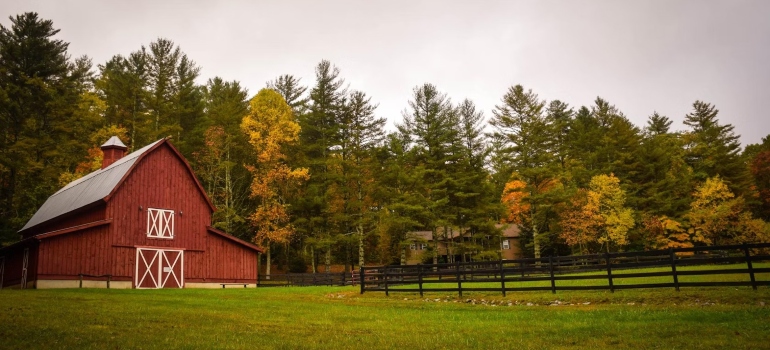
Understanding zoning and farm status early on will help ensure your dream hobby farm fits both your goals and Alberta’s rules.
Essential infrastructure tips to take into account
Before moving to Alberta and committing to a rural property, it’s important to think through the practical side of hobby farm life. The beauty and freedom of the countryside come with a unique set of responsibilities, especially when it comes to infrastructure. Understanding what’s already in place—and what you’ll need to add—can save you time, money, and stress. This is where the pros & cons of living in Alberta really start to show. On the plus side, you’ll enjoy space, privacy, and nature. On the flip side, some rural areas may lack basic services or require costly upgrades.
Here’s what to look for:
- Water and sewage: Most rural properties rely on well water, so be sure to verify the condition, flow rate, and water quality of any existing well. If the property doesn’t have one yet, you’ll need to budget for drilling. Septic systems are also the norm in rural areas. You’ll typically need a permit from your municipal office to install or upgrade one. These systems can be costly. It’s important to know what’s already on the property before you buy.
- Utilities & Access: Rural life often means fewer public services, so you’ll want to check who’s responsible for road maintenance. Some roads are maintained by the county, while others may be private and require shared upkeep. If you’re looking at a more remote location, also consider utility access, especially electricity. Extending power lines to a property that’s far from the grid can cost C$5,000 or more. That is why it’s smart to check early and factor that into your budget. Internet and phone service may also be limited in some areas, so researching local providers is a good idea.
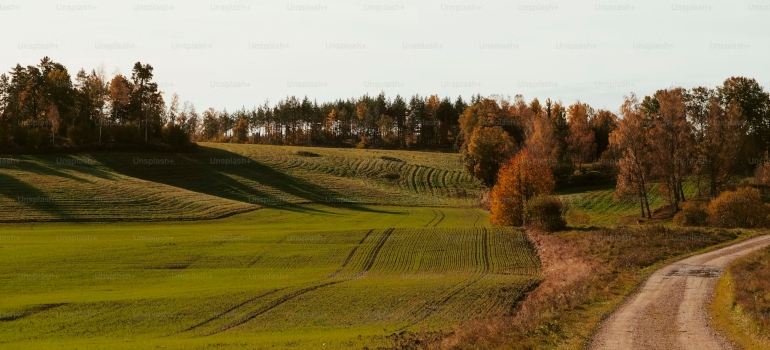
Prepare for the realities of rural infrastructure because it will help you fully enjoy the benefits of Alberta’s peaceful countryside without unexpected setbacks.
Financing and ongoing costs
Owning a hobby farm is a rewarding lifestyle, but like any property investment, it comes with financial responsibilities. Before making the leap—especially if you’re moving from Ontario to Alberta—it’s important to understand how rural property financing works, what kind of insurance you’ll need, and the ongoing costs you should budget for. Rural life in Alberta is often more affordable than city living. But it still requires careful planning to keep your finances in check.
Down payment and mortgages
Buying rural property in Alberta usually requires a 20% down payment, especially for acreages not connected to municipal services. The good news is that interest rates for rural mortgages are typically in line with those in urban areas—around 5%. It depends on the lender and your credit history. It’s a good idea to speak with a mortgage advisor who understands rural real estate to get pre-approved and explore your options.
Insurance needs
Unlike a standard home insurance policy, hobby farms need specialized coverage. This includes protection for your farmhouse, barns or sheds, farming equipment, and even livestock if you have them. Liability insurance is also a must in case someone gets injured on your property. When moving from Ontario to Alberta, make sure you work with an insurance broker who knows the ins and outs of Prairie farms. They can tailor a policy to suit your land, activities, and risk factors.
Property taxes
One of the pros of rural living in Alberta is lower property taxes. On average, rural property taxes are about 25% lower than in the cities. Tax rates vary depending on your municipal district and the zoning of your land, so it’s important to check with the local office before finalizing a purchase. If your property qualifies for farm status, you might also be eligible for further reductions.

By understanding these key financial elements, it will prepare you to manage the cost of your hobby farm and enjoy the lifestyle without surprises down the road.
Moving and setup tips
You’ve found the right property and sorted out financing. The next big step is getting yourself—and your gear—safely moved in. Relocating to a rural area comes with its own set of challenges, especially if you’re transporting large equipment or planning your move across long distances. Whether you’re hiring cross province movers or coordinating the logistics yourself, careful planning can make all the difference. Here are a few key tips to help you get set up smoothly on your new hobby farm in Alberta.
Equipment transport
If you’re bringing along farming tools, machinery, or larger items like ATVs or fencing materials, it’s essential to work with movers who have experience in handling this kind of cargo. Our team at Miracle Movers Canada offers custom trailers and professional handlers specifically designed for transporting farm equipment safely and efficiently. Whether you’re moving a small tractor or a full workshop, make sure your movers know how to secure and protect your gear for long-distance travel.

Seasonal Timing
Alberta’s weather can be unpredictable. Choosing the right time to move is crucial. Aim for late spring or early fall. Then road conditions are better and you’re less likely to run into snow or muddy access roads. These seasons also fall outside the peak summer moving rush. This can mean lower costs and better availability for both moving services and setup support.
Packing for rural conditions
Rural moves often involve rougher roads and exposure to the elements. That is why it’s important to pack with durability in mind. Use weather-proof packaging for tools, electronics, and any materials sensitive to moisture or temperature changes. Consider switching out cardboard boxes for reusable poly bins. They’re more durable, stack better, and offer better protection against dirt, rain, and rodents.
Planning ahead and choosing the right cross-province movers will make your transition to rural life in Alberta smoother, safer, and less stressful. You can start enjoying your dream hobby farm from day one.
Settling in and community resources
Now you’ve successfully moved to your hobby farm in Alberta. The next step is settling in and making sure you’re well-equipped to manage your new lifestyle. From tapping into local expertise to connecting with resources designed for new farmers, there’s a lot of support available to help you thrive in Alberta’s rural communities. If you’re cross border moving, adjusting to the Alberta way of life can be exciting, but it may also come with a bit of a learning curve. Here are some essential resources and tips to help you get started.
Local expertise
To get the most out of your new farm, it’s crucial to engage local experts who understand rural Alberta. A rural-specialist real estate agent can guide you on the specifics of your land, zoning regulations, and property values, ensuring you’re getting the best advice for your new farm. Additionally, Alberta’s ACFA (Alberta Certified Farmers Association) and AFSC (Agricultural Financial Services Corporation) offer programs for beginning farmers, providing financial advice, training, and resources to help you grow your operation. These organizations can be a great help, especially if you’re new to farming or transitioning from urban life.
Workshops and networks
Alberta is home to a range of workshops and networks designed for hobby farmers looking to grow their skills. The Green Acreages program offers valuable webinars and hands-on workshops covering topics like property management, crop rotation, and sustainable farming practices. By participating in these programs, you’ll have the chance to meet other hobby farmers, learn from experienced experts, and build a local support network that can make your transition easier.

Maintenance routine
Maintaining your farm is key to its long-term success. That is why it’s important to establish a regular maintenance routine. Seasonal checklists can help you stay on top of tasks like fence inspections, well testing, and wildfire mitigation. It is especially important in Alberta’s dry summer months. Developing these habits early on will ensure that your property is safe year-round. Keeping up with maintenance also helps you avoid expensive repairs or potential safety issues later on.
Connect with the right resources and create a solid routine. You’ll be well on your way to making your hobby farm in Alberta a thriving, enjoyable part of your life.
What to consider when finding your dream hobby farm in Alberta
Ready to turn your dream of finding your dream hobby farm in Alberta into a reality? Whether you’re looking to grow your own food, raise a few animals, or simply enjoy the tranquility of rural life, Alberta offers endless possibilities. From choosing the right acreage to navigating zoning rules and settling into your new community, this guide has covered the essential steps.
If you’re ready to move forward with your hobby farm vision, contact professional movers. Let us help make your transition as smooth and seamless as possible so you can focus on creating the hobby farm of your dreams.


