


Storing your household items the right way matters. If you don’t prepare mattresses, books, and fragile items for storage properly, you risk damage that’s hard or expensive to fix. Each item needs a different method to stay safe over time. Mattresses need airflow, books need dryness, and fragile items need tight packing. Many people rely on expert help from GTA movers to handle these steps with care. This guide explains simple ways to get everything ready before placing it into short- or long-term storage.
Some general packing tips
Before you prepare mattresses, books, and fragile items for storage, gather the right materials and create a simple system. This helps protect your items and keeps everything organized. It also saves time later when you need to find or move specific boxes.

What packing materials do you need?
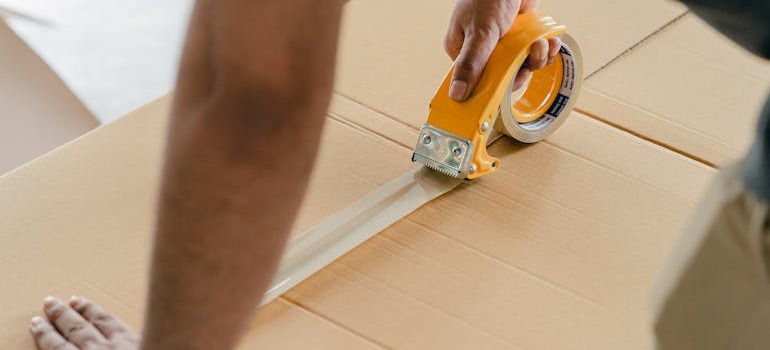
Start with sturdy boxes in different sizes. Use packing paper to wrap books and bubble wrap for fragile items. Mattress covers protect your bedding from dust and moisture. Tape everything securely with strong packing tape. Label each box clearly. These are some general packing tips that help keep items safe in storage. If you prefer expert help, many people use packing services in Toronto to ensure everything is handled properly and protected from damage during transport or long-term storage.
Create a labeling and inventory system to prepare mattresses, books, and fragile items for storage
Use clear labels on each box to list its contents and room location. Number the boxes and write everything down in a simple inventory sheet. This helps you track items and find things faster later. It also reduces stress during pickup or delivery. Some cross province movers recommend labeling both the top and side of each box, especially for fragile or high-value items, to make handling easier and to prevent loss or confusion during transport.
How to prepare and pack mattresses for storage
Proper mattress storage starts with cleaning and drying. Each step helps protect the mattress from mold, pests, and damage. Use safe materials, avoid common mistakes, and choose the right position. Follow these tips to keep it in good condition.
Cleaning and drying process
Start by vacuuming the entire mattress surface to remove dust and dirt. Use a fabric-safe cleaner to spot-clean any stains. Let the mattress dry in a well-ventilated area for several hours. Avoid storing it if there is any moisture left, as that can lead to mold or mildew. The mattress must be completely dry before wrapping it in plastic. For added airflow, poke a few small holes in the cover. This process helps protect the mattress during long-term storage.

Wrapping and covering mattresses
Once the mattress is dry, wrap it in a breathable plastic or mattress storage bag. Avoid using thick plastic without ventilation, as it can trap moisture. Seal the bag securely with packing tape, but leave small holes for airflow. This prevents mold while keeping out dust and pests. Use extra padding on corners to avoid tears during the move. For better protection in long-term storage, place the wrapped mattress on a pallet or other raised surface to keep it off the floor.
Storing flat vs upright
Store the mattress flat whenever possible. This helps keep its shape and avoids damage to the internal structure. If space is limited, storing it upright is acceptable for short periods. In that case, stand it on its side and support it with stable objects to prevent it from falling. Never lean it against sharp edges or walls that can cause dents. Always avoid placing heavy items on top, as this can lead to sagging or permanent impressions over time.
Common mistakes to avoid
Avoid storing a mattress while it’s still damp. This can cause mold and bad odors. Don’t skip the cleaning step or use plastic without ventilation holes. These actions trap moisture inside. Never store it directly on the ground—use a raised platform. Also, don’t place boxes or heavy items on top. This can flatten the padding and ruin the shape. Finally, don’t forget to inspect the storage space. Make sure it stays dry and has enough airflow at all times.
How to prepare and pack books for storage
Books can get damaged if stored without care. Before packing them away, follow a few easy steps to protect their condition. If you plan to prepare mattresses, books, and fragile items for storage, proper handling of each category makes a big difference.
Sorting and decluttering
Start by going through each book and deciding what to keep, donate, or recycle. Separate damaged books with mold or pests, as storing them can affect the rest. Focus on keeping books you plan to read or store long-term. Remove loose papers, bookmarks, and any attached items. These can warp the pages over time. Stack similar sizes together to save space and make packing easier. This step helps reduce clutter and protects the books you decide to store.

Cleaning and airing out old books
Use a soft, dry cloth or brush to gently wipe the covers and edges. Avoid water or strong cleaners. If books smell musty, place them in a dry, well-ventilated space for a few hours. You can also use baking soda in an open container nearby to absorb odors. Let each book breathe before packing it. This reduces moisture buildup in storage. Skipping this step can lead to mold, page warping, or stains that may spread to other books.
Best containers for books
Use small, sturdy containers to pack books. Large boxes get too heavy and may break or cause injury. Choose clean, dry containers that protect from moisture and pests. Many people compare cardboard boxes vs. plastic bins when storing books long-term. Plastic bins block water better, while cardboard is lighter and easier to stack. Always line the bottom with paper and avoid overpacking. Keep similar book types together so they are easier to find and unpack later in your new space.
How to avoid moisture damage and pests
Store books in clean, dry boxes with tight-fitting lids. Add silica gel packets or dry paper to absorb any moisture. Avoid plastic bags, as they can trap humidity. Keep boxes off the floor to prevent contact with damp surfaces. Use cedar chips or bay leaves to deter pests. Check the storage area for leaks or signs of insects before placing books inside. These simple steps help protect pages from mold and keep bugs from nesting in your stored collection.
How to pack and prepare fragile items for storage
Packing fragile items takes extra care to prevent damage during storage. Using the right materials, organizing your boxes clearly, and stacking them safely helps protect glass, electronics, and breakables from pressure, shifting, or cracks over time.
What materials do you need for fragile belongings?
Start with bubble wrap and packing paper. Wrap each item fully, focusing on corners and edges. Use strong cardboard boxes that match the item’s size. Fill empty spaces with crumpled paper or foam to stop movement. Tape the box securely and label it as fragile. These steps help protect glass, ceramics, and electronics from impact or pressure. For best results, don’t stack heavy boxes on top. Additional materials you’ll need:
- Foam sheets
- Stretch wrap
- Packing peanuts
- Dish dividers
- Corner protectors

Certain categories and how to handle them
Wrap glass, ceramics, and electronics separately using bubble wrap and a soft cloth. Pack them in sturdy boxes with padding on all sides. Use dividers for dishes and stack them vertically. For breakable decor, double-wrap and fill empty spaces with paper. If you’re wondering how do I safely transport large mirrors, use mirror boxes and edge protectors, and keep them upright. Label everything as “fragile” and store delicate items on top to prevent damage from pressure or shifting during transport.
Labeling and organizing boxes
Use clear labels with large text to mark each box by room and item type. Write “fragile” on all sides if the contents break easily. Group similar items together to keep unpacking simple. Number each box and create a list to track what’s inside. Color coding by room can save time, too. These steps help you stay organized and can also make your first move as a couple stress-free by avoiding confusion and reducing the chance of losing important or breakable items.
How to layer boxes inside the storage unit
Place heavy boxes at the bottom to create a stable base. Stack lighter boxes on top in order of weight. Keep fragile boxes on the highest level to avoid pressure damage. Leave small gaps between stacks for airflow and easy access. Don’t overload one area—spread weight evenly. Avoid placing anything on top of clearly marked fragile boxes. Create aisles so you can reach items without moving everything around. This setup keeps items safe and makes future access easier.

Mistakes to avoid when you prepare mattresses, books, and fragile items for storage
Even small storage errors can lead to big problems later. Many people forget key steps that protect their items from damage, loss, or pests. Avoid these common mistakes to keep your belongings safe, clean, and easy to access.
Using the wrong boxes
Avoid boxes that are too large or too weak for the items inside. Overpacking can cause the box to collapse, while underfilling leaves room for shifting and damage. Fragile items need firm support and tight packing. Use small boxes for heavy things like books and reinforced boxes for breakables. Don’t reuse damaged or soft boxes, even if they look fine. Choosing the right box size and strength keeps your items secure and prevents accidents during stacking and storage.
Not preparing items for different climate conditions
Books, mattresses, and fragile items can get damaged if you store them in places with high humidity or extreme temperatures. Mold, warping, and cracks are common problems. Wrap items in breathable materials and avoid plastic for long-term storage. Use moisture absorbers when needed. Many people find that climate-controlled storage in Toronto is a game-changer for protecting valuable items from heat, cold, and dampness. Skipping this step often leads to avoidable damage and costly replacements when you finally retrieve your belongings.
Not labeling and overpacking boxes when you prepare mattresses, books, and fragile items for storage
Overpacking boxes makes them hard to lift and more likely to break. Fragile items inside can get crushed or shift during storage. Always spread weight evenly and avoid filling large boxes with heavy items. Skipping labels creates confusion later and wastes time during unpacking. Many people storing items in storage units Toronto citizens rely on forget this and struggle to find what they need. Use clear labels, write contents on each side, and stack boxes with care to keep everything safe and easy to access.
Storing dirty or damp items
Never store mattresses, books, or fragile belongings while they are dirty or damp. Moisture leads to mold, mildew, and bad odors. Dirt attracts insects and can stain nearby items. Clean and dry everything fully before packing. Use fans or place items in open spaces with airflow. Check corners and covers for hidden moisture. A few extra hours of drying can prevent long-term damage. Skipping this step often causes permanent harm that can’t be fixed once storage begins.
Not insuring stored valuables
Items stored for long periods can get lost, damaged, or stolen. Many people skip insurance and end up paying for replacements later. Always check if your storage provider offers coverage or if your home policy includes stored items. If you need to move your items without an elevator, there’s even more risk of drops or scratches during handling. Insurance adds peace of mind and covers unexpected costs. It’s a small step that protects high-value or irreplaceable belongings during storage.
Some frequently asked questions
Many people have questions when they prepare mattresses, books, and fragile items for storage. Packing and storing things the wrong way can lead to serious damage. These answers cover the basics and help you protect your belongings the right way. Let’s go over the FAQs:
- What is the best way to pack a mattress for long-term storage?
- Can I stack books on top of each other in storage?
- How do I know if something is too fragile to store?
- Should I disassemble furniture before putting it in storage?
- What items should never be put in a storage unit?
What is the best way to pack a mattress for long-term storage?
Clean the mattress with a vacuum and spot-clean any stains. Let it dry completely in a well-ventilated area. Then, wrap it in a breathable plastic or a mattress storage bag. Avoid sealing it without airflow. Use tape to secure the cover, but add small holes for ventilation. Store the mattress flat on a raised surface, not directly on the floor. This setup helps prevent moisture damage, keeps pests away, and protects the mattress shape over time.

Can I stack books on top of each other in storage?
Yes, but you need to do it carefully. Stack books of similar size together to avoid uneven pressure. Lay them flat to protect the spines, and keep the stack low to reduce weight on the bottom ones. Don’t stack books too high or place heavy boxes on top. Make sure the storage area is dry and clean. If possible, use small boxes to divide the stacks and make them easier to move or access later.
How do I know if something is too fragile to store?
If an item breaks under light pressure, reacts to humidity, or cannot stay upright, it may be too fragile to store without special care. Use padded boxes, moisture control, and avoid stacking on top of delicate pieces. For example, people who need to move an aquarium must drain it, wrap it securely, and store it away from temperature shifts. Always test items gently and ask professionals if you’re unsure. Proper packing protects even the most breakable belongings.
Should I disassemble furniture before putting it in storage?
Yes, disassembling furniture saves space and helps protect each part. Take apart large items like beds, tables, and shelves. Wrap each piece separately using blankets or bubble wrap. Keep screws and small parts in labeled bags and tape them to the main piece. This method reduces the risk of damage from shifting or pressure. It also makes items easier to move and stack in the unit, helping you use the space more efficiently and safely.
What items should never be put in a storage unit?
Never store food, plants, or anything that can spoil. These attract pests and create odors. Avoid flammable items such as gasoline, paint, or propane tanks. Don’t store weapons, explosives, or chemicals. Also, keep out valuable documents and cash, as storage units are not secure enough for them. Items that need climate control, like electronics or artwork, should go in temperature-controlled units only. Always check the storage facility’s list of restricted items before packing your things.

Get everything ready for storage
To avoid damage during storage, you need to prepare mattresses, books, and fragile items for storage with the right steps. Each category requires specific care, and skipping those steps often leads to unwanted problems later. Keep boxes secure, avoid moisture, and use proper labels. If you’re unsure about the process, trusted BBB-approved movers can help pack and organize everything safely. With careful planning, your items will stay protected and ready to use whenever you take them out of storage.


