


Toronto’s music scene offers endless opportunities for musicians and collectors. Moving instruments, though, presents challenges. String tension shifts, temperature changes, and pressure from transport can lead to damage. Careful planning and smart packing techniques prevent unnecessary repairs. This guide explains how to pack and move musical instruments in Toronto safely. You will learn how to prepare, choose materials, and work with trusted professionals. Instruments need protection. Cases, padding, and proper placement matter. The right movers make the difference. Luckily, Miracle Movers Canada specializes in handling fragile items, musical instruments included. Their expertise ensures that pianos, guitars, and brass instruments reach new locations intact.
What are the risks included in moving musical instruments?
Not all instruments react the same way during transport. A cello warps when exposed to pressure. A drum cracks if stacked without proper support. Wind instruments bend when packed too loosely, causing misalignment in their delicate mechanisms. Guitars suffer from sudden temperature changes, leading to wood expansion or contraction. Pianos face internal shifting that affects key response and overall sound quality. Brass instruments dent easily, with valves or slides becoming stuck if handled roughly. These risks make careful preparation essential for keeping instruments safe during a move.
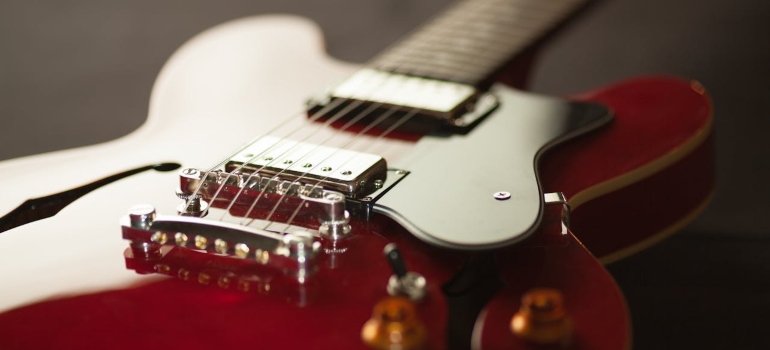
Pack and move musical instruments in Toronto and set yourself up for success
Packing starts long before moving day. Instruments need assessment. Some require disassembly. Others need climate-controlled transport. A plan ensures everything goes smoothly.
Document the condition and choose the right season for moving
A detailed inventory ensures that every instrument stays accounted for during a move. Writing down the make, model, and serial number of each instrument allows for easy identification in case of loss or damage. Documenting the current condition prevents disputes over potential mishandling. Scratches, dents, and other imperfections should be noted before transport. Taking clear photos from multiple angles provides visual proof of the instrument’s state. Close-up shots of tuning pegs, keys, or delicate areas highlight any existing wear. For high-value instruments, having an appraisal report adds another layer of security.
Toronto’s climate presents unique challenges when moving instruments. Cold winters in Moncton cause wood to contract, while humid summers lead to warping. A sudden shift from heated indoor spaces to freezing outdoor temperatures puts stringed instruments at risk. Reeds crack, and brass instruments accumulate condensation when exposed to drastic changes. Moving during mild seasons, such as spring or fall, minimizes these risks. The good this is that movers Moncton also tend to be less busy during these seasons

If winter transport becomes unavoidable, wrapping cases in insulated blankets reduces the impact of temperature fluctuations. Keeping instruments inside heated vehicles for as long as possible also helps prevent damage. Understanding Toronto’s seasonal effects on instruments ensures a safer relocation process and protects their long-term condition.
Don’t pack and move musical instruments in Toronto last minute
Musicians often pack last minute. Rushing leads to mistakes. Instead, setting a schedule prevents unnecessary stress. To the following:
- Two weeks before moving, ordering packing materials and arranging for professional movers ensures a smooth process.
- One week before, cleaning and wrapping instruments help maintain their condition.
- Two days before, checking cases for tight closures and labelling everything makes the unpacking process easier.
- On moving day, double-checking packing and loading instruments last allows for easy access.
Dirt and oil cause damage during storage. Cleaning every instrument before wrapping prevents unnecessary maintenance later. Dust collects inside flutes and clarinets, affecting performance. A quick wipe removes buildup and ensures longevity. String instruments should have slightly loosened strings before cleaning the body with a soft cloth. Brass instruments need mouthpieces removed and wiped with a dry cloth. Woodwinds should be taken apart, and reeds should be stored separately. Drums require tension removed from drumheads, with each piece wrapped separately.
Instruments need careful handling. Professional cross province movers know how to load and secure them. This is especially important for grand pianos and antique string instruments. Not every moving company has experience with fragile items.
Consider renting a storage unit as a backup plan
Unexpected delays often happen during a move, leaving instruments without a safe place to stay. Renting a storage unit provides a secure backup plan when the new home is not yet ready. Unlike keeping instruments in a moving van or car, a climate-controlled facility protects against temperature shifts and humidity, which can cause warping or cracks. Proper security measures, such as surveillance and restricted access, prevent theft or damage. Storing instruments temporarily ensures they remain in optimal condition until the final setup is possible. Secure storage units Toronto offer a reliable option for musicians needing short-term protection for their valuable equipment.
Packing techniques for different types of musical instruments
Packing an instrument requires care. A loose part shifts during transit. A fragile neck snaps under pressure. Each instrument demands specific materials and handling methods.
General packing principles
Hard-shell cases offer the best protection for musical instruments during transport for longer distances, to Calgary for example, while soft cases provide minimal defence, making them suitable only for short distances. To prevent damage, every instrument must remain secure inside its case, as movement during transit leads to cracks, scratches, or misalignment. Foam inserts help distribute pressure evenly, reducing stress points, while bubble wrap adds an extra protective layer against impact.

Sealing the case tightly keeps moisture from affecting delicate materials, especially for wood and brass instruments that expand or contract with humidity shifts. Silica gel packets help maintain stable conditions inside the case, preventing warping or corrosion. Clear labelling also plays a crucial role in preventing mishandling. If movers Calgary didn’t do the packing, how will they know that something fragile and valuable is inside? Writing “Fragile – Handle with Care” on every box ensures movers treat the instruments with the caution they require.
Instrument-specific packing techniques
Each instrument reacts differently to temperature changes and pressure, requiring a tailored packing approach, that packing services Toronto offers know how to do with their eyes closed!
Wood instruments, including guitars and violins, respond unpredictably to sudden shifts in climate. Strings tighten or loosen unexpectedly, which can lead to damage if left under tension. Slightly loosening the strings before transport prevents excessive stress. A hard case acts as the first layer of protection against impact, but wrapping the instrument in a soft cloth inside the case shields its finish from scratches. To further reduce movement, foam padding inside the case provides a snug fit. Placing the entire case inside a sturdy, well-padded box ensures extra security.
Pianos demand specialized care, as their size and intricate mechanisms make them highly vulnerable during transport. Upright pianos must remain in an upright position, while grand pianos require careful disassembly. Pedals, legs, and lids should travel separately to avoid unnecessary strain. Wrapping every part in thick moving blankets prevents scratches and dents, while custom crates offer additional protection for delicate surfaces. Once loaded into the truck, securing the piano with straps prevents shifting that could cause internal damage.
Brass and woodwind instruments contain intricate parts that bend or misalign under pressure, making disassembly an essential step before transport. Mouthpieces, reeds, and valves should be packed separately, ensuring they remain protected from impact. A hard case with snug foam inserts stabilizes the main body, keeping all components firmly in place. Storing cases upright inside the truck prevents unnecessary weight from pressing on the instrument, reducing the risk of warping or internal misalignment.
Percussion instruments also require careful handling. Stacking drums without protection leads to cracks, while cymbals bend under excessive weight. To minimize these risks, drumheads should be removed before transport, reducing the tension on their frames. Wrapping each drum in cloth prevents surface damage from friction while placing foam padding between stacked shells prevents direct contact. Cymbals, being highly sensitive to pressure, need hard-shell cases to maintain their shape and prevent warping.
Consider custom cases and additional protection
Expensive instruments demand a higher level of protection, making custom-built cases the best option for safeguarding them. Even a local move from Toronto to Scarborough can cause damage to fragile items! Reinforced corners, shock-absorbing foam, and humidity control mechanisms ensure that delicate instruments withstand long-distance transport. Instruments travelling across provinces require extra attention, as even minor mishandling can lead to irreparable damage. Choosing experienced professionals reduces these risks. Inquire with the local movers Scarborough you choose to see if they offer custom cases.
Choose the right moving and packing services in Toronto
Packing supplies Toronto alone does not guarantee safety, making professional movers essential for secure transport. Concert halls, music stores, and collectors rely on experienced movers who understand how to handle fragile instruments. Climate-controlled trucks help prevent exposure to extreme temperatures, while proper lifting and stacking techniques keep delicate pieces from shifting. Professional movers use secure straps to stabilize cases, reducing movement during transit. If immediate setup is not possible, storage units offer a temporary solution to keep instruments safe until the new space is ready. A rushed move often leads to regret, especially when improper handling results in damage.

What should you do on moving day?
Loading the truck strategically makes a significant difference in preventing damage. Heavy boxes should never sit near fragile instrument cases, as excess weight increases the risk of crushing. Guitars must always remain upright, while pianos should stay in a stable, secured position. Drums require proper support to avoid pressure damage, making precise placement essential. Loading instruments last keeps them accessible for careful unloading, preventing unnecessary strain. Small instrument cases should travel inside the passenger area whenever possible, as extra care ensures they stay protected from sudden jolts.
Temperature control also plays a crucial role. Extreme cold weakens glue joints in wooden instruments, while excess heat warps delicate finishes. Even for short-distance moves, like one of the 50-something kilometres from Toronto to Whitby, sudden shifts inside the truck lead to damage if instruments are not properly secured. A final check before departure ensures that all cases are strapped in tightly and no instrument remains vulnerable to impact. A rushed loading process often results in costly repairs, making careful placement and stabilization necessary to keep instruments in excellent condition. All of this can be done by skilled movers Whitby, so choose wisely!
Now it is time to unpack and re-establishing your musical environment
Moving instruments does not end when the truck arrives. A rushed unpacking process causes problems. Instruments need time to adjust, and a stable environment prevents long-term damage.
Inspect every instrument before use
Changes in temperature or humidity affect performance. Strings shift, valves stick, and wood expands. A careful inspection ensures everything remains intact. Checking for visible damage is the first step. Cracks or scratches indicate rough handling, and identifying these issues early prevents further complications. Tuning stability matters, especially for string instruments that need minor adjustments after transport. Moving parts requires careful attention as well. Pianos, brass, and woodwinds depend on smooth operation, so a quick test confirms that everything functions as expected.

Acclimate instruments to their new space
Instruments need time to adjust after a move, especially when transitioning between different climates. Toronto experiences rapid temperature shifts, with humid summers and freezing winters that put wood-based instruments at risk. In contrast, Concord GTA, while still affected by seasonal changes, tends to have slightly lower humidity levels due to its distance from Lake Ontario. These subtle differences impact how instruments settle in their new environment.
A sudden drop in temperature causes cracks in guitars, violins, and pianos, while excess humidity affects tuning stability. Allowing instruments to remain in their cases for a few hours prevents exposure to sudden environmental changes. Tuning should happen gradually, giving strings time to adjust before making major modifications. Managing humidity levels with a humidifier or dehumidifier helps maintain wood stability, preventing warping or swelling.
Since climate variations across the region can affect an instrument’s condition, working with movers who understand these challenges ensures safer transport. Movers Concord use secure handling techniques to minimize exposure to extreme temperatures, reducing risks for delicate instruments that require a controlled transition.
Should you get insurance for your instruments before the move?
Accidents happen, and insurance prevents financial loss. A well-maintained instrument lasts for decades, but repairs cost money. Documenting the condition of each instrument after unpacking helps in case of unexpected damage. Photos serve as proof if claims become necessary. Checking existing policies provides insight into coverage options, as home insurance does not always cover musical instruments. Luckily, specialized insurance plans exist for musicians, offering additional protection for valuable pieces.

Choose the most stress-free way to pack and move musical instruments in Toronto
Moving musical instruments requires patience, but the effort ensures they stay in perfect condition. Every musician knows an instrument is more than just an object—it holds memories, value, and passion. The right approach makes all the difference, and no one should feel overwhelmed by the process. Professional movers provide the safest transport, handling each instrument with care that a DIY move cannot guarantee. Insurance offers peace of mind, ensuring that any unexpected issue does not lead to loss. With careful planning and expert help, anyone can pack and move musical instruments in Toronto with confidence, knowing they are protected!


