


Toronto isn’t like other cities when it comes to storage. Narrow stairwells, unpredictable weather, and small condo spaces create unique challenges. If you’re planning a temporary move, downsizing, or renovating your home, you need to prepare appliances for storage the right way. A generic checklist won’t cut it here. This city demands a smarter, more specific approach, like the one that our movers Toronto offer for every move they take on!
You need to do this in order to prepare appliances for storage
Preparing appliances for storage might not seem like a difficult task to do. While not technically difficult, there are a lot of steps that you need to take, and you need to make them in order, without skipping any of them. While tedious, it will keep your appliances safe for a long time. So, you will need to:
- Understand the weather you are fighting against
- Clean the appliances
- Unplug and disassemble everything
- Use labels
- Wrap the appliances properly
- Plan for long-term storage
- Keep things in the proper position
- Pack with safety in mind
- Keep a timeline in mind when packing
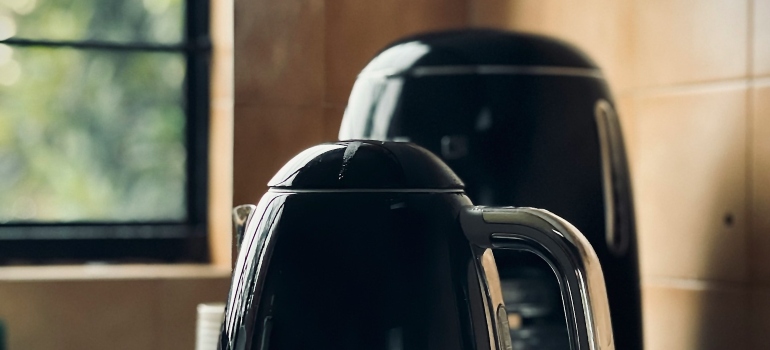
Understand that Toronto’s weather can destroy your appliances!
Toronto swings between dry, freezing winters and hot, humid summers—a combination that can quietly wreck your appliances. Sensitive electronics, water lines, and rubber seals don’t hold up well in extreme shifts. If you store a fridge or washing machine without the right protection, moisture can build up inside and lead to long-term damage.
Cracked hoses, rusted parts, and warped seals often trace back to poor storage choices. Leaving appliances in a unit that doesn’t control temperature might seem harmless in the moment. But when a deep March freeze hits or summer humidity rolls in, those conditions quickly take their toll.
Even short-term storage isn’t safe without the right setup. That’s why many Toronto residents now rely on climate-controlled storage, which regulates both heat and moisture to prevent damage. Learn why climate-controlled storage in Toronto is a game-changer for protecting everything from high-end espresso machines to standard fridges.
Clean and dry or risk mold, odors, and pests
Before you even think about boxing things up, stop and clean. Skipping this part is one of the worst mistakes people make. Toronto’s pest scene thrives on crumbs, grease, and lingering moisture—especially in city storage facilities that aren’t tightly managed.
For example, even a few rice grains in a microwave can attract mice. Greasy oven trays? Cockroach heaven. Moisture inside a dishwasher can lead to mold. These aren’t just gross issues. They’ll cost you time, money, and possibly the entire appliance if damage sets in.
Start by removing all food debris and grease. Then, wipe down every surface with a gentle cleaning solution. Don’t forget to open every hidden compartment, like refrigerator drip pans or washing machine lint traps. These are mold magnets if left unchecked.
After cleaning, make sure everything is dry. Leave doors slightly ajar on refrigerators and washing machines during transport and storage. This step allows airflow and stops mildew from forming. If you store a damp appliance, you’re basically inviting rot and rust to settle in.
In Toronto, where basement storage units in older buildings are still common, excess moisture is a bigger threat than people realize. That’s why this step isn’t just helpful—it’s non-negotiable. Don’t rely on luck or hope. Rely on preparation.
If you’re unsure about where or how to store items after cleaning them, check out available options through trusted storage services Toronto residents return to year after year!
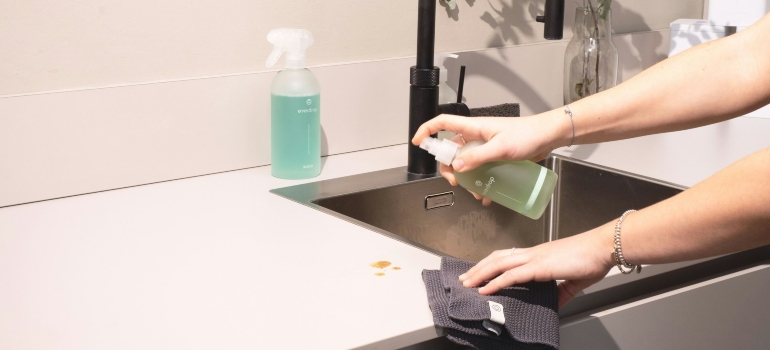
Unplug and disassemble everything that can be unplugged and disassembled
Toronto apartments aren’t built for easy appliance handling. Tight corners, low ceilings, and narrow staircases can turn a simple move into a logistical puzzle. That’s why you need to disassemble your appliances before you even start moving them. Unplug everything at least 24 hours in advance. This gives freezers time to defrost and allows components to settle.
For example, your fridge must be completely unplugged and defrosted before it hits the unit. Not doing so leads to leaking water, interior mold, and a mess you’ll regret later. Remove shelves, trays, and drawers. Then, secure them separately so they don’t shift during transport.
Take out any loose parts from dishwashers and ovens. Tape power cords to the side of the unit to prevent them from getting caught or dragging on the ground. If you forget this step, you’re more likely to damage the cord—or trip over it.
In a tight Toronto condo, this step may seem excessive. However, skipping it creates far more work later. You’ll end up with scratched surfaces, broken hinges, or cracked handles. Those are hard—and expensive—to replace.
Label every part
Now that you’ve removed cords, trays, filters, and screws, label them. This is where most people get lazy—and it shows. Without clear labeling, reassembling your appliances becomes a frustrating guessing game.
In fact, if you use generic plastic bags without labels, expect chaos later. Masking tape and a marker are all you need. Label everything by appliance and part. Seal each group of components in its own bag.
Toronto’s condo dwellers often store appliances for months during renovations. When it’s time to reinstall them, they can’t find half the pieces. That delay costs time and money. Labels don’t just save confusion—they also help you group items by size and shape, making it easier to stack and arrange them efficiently. With everything clearly marked and separated, you avoid digging through piles later and reduce clutter from the start. These small habits tie directly into smart packing strategies to maximize space in your storage unit.

Wrap the appliances the right way
Too many people wrap their appliances in cheap plastic and hope for the best. That doesn’t work in a climate like Toronto’s. Plastic traps moisture, leading to mold or corrosion. Instead, use padded blankets or thick furniture covers. These let air circulate while still protecting the surfaces.
Because of this, professional movers often recommend breathable wraps instead of sealed plastic. If you’re concerned about dust or moisture, place a few moisture absorbers inside the unit. These are easy to find at most hardware stores around the city.
Also, consider where your storage unit is located. Older buildings near Bloor or Queen may have less ventilation than newer ones in Liberty Village or Etobicoke. Airflow matters. Without it, even the best wrap can fail.
If you’re unsure which materials to trust, you’re not alone. Toronto’s unpredictable seasons add extra pressure—and not all storage containers handle it well. While cardboard may seem cheaper upfront, it absorbs moisture fast. In contrast, plastic bins resist water but can trap humidity if sealed too tightly. Knowing when to use one over the other can make all the difference in long-term appliance care. See a breakdown of both options here: cardboard boxes vs. plastic bins.
At this stage, you’re halfway through learning how to prepare appliances for storage the Toronto way. Every detail matters—from the wrap you choose to the containers you rely on. Shortcuts won’t hold up when the temperature drops or spikes.
Plan for long-term because you might not reconnect that washer anytime soon
Life changes fast. What seems like a short-term storage plan could easily stretch into months. That’s why it’s smarter to treat every appliance as if it’ll be stored long-term.
For instance, detergent left behind in a washing machine can harden and clog internal parts. Ice trays in a freezer can crack or warp. Belts inside dryers can dry out or split. These issues don’t show up right away, but they do show up eventually.
Toronto’s tight housing market and busy schedules of movers for cross province moving often lead to storage delays. Renovations run late. New homes aren’t ready on time. If you’re relocating out of the city, plans can change with one phone call.
Before you store anything, ask yourself: “Would this still work if I left it untouched for a year?” That single question helps you prepare appliances for storage with fewer regrets.
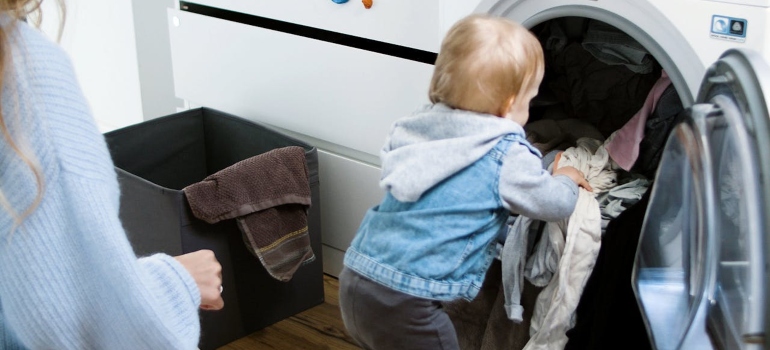
Keep things in the proper position
In Toronto, where many buildings lack service elevators, residents often resort to risky shortcuts. You’ve likely seen someone dragging a fridge sideways down a hallway. That may seem harmless—but it’s not. Laying large appliances flat, even briefly, can damage internal components.
Refrigerators depend on upright positioning to keep compressor oil where it belongs. When tipped, that oil can seep into the wrong parts of the system. Once plugged in again, the damage can be immediate—and permanent.
Professional crews offering trusted moving services understand this risk well. They never move a refrigerator on its side. Instead, they use proper dollies, straps, and techniques to keep appliances upright—even in narrow Toronto hallways. Taking the long route or a few extra steps is always worth it to prevent costly damage.
Don’t forget safety when you prepare appliances for storage
Loose doors, cables, or trays are easy to ignore—but they can turn into real hazards in tight Toronto storage spaces. When stacked without care, appliances shift, lean, or fall. That’s when doors pop open or cords get caught and rip.
As a rule, tape all appliance doors shut with masking tape or a soft strap. Coil cords neatly and attach them to the back or side with secure tape. If you leave trays or racks inside, remove or secure them. Otherwise, they can crack or rattle during movement.
Some buildings even require stored items to pass safety checks, especially in downtown high-rises. You don’t want your unit flagged—or worse, emptied—because of loose parts or falling doors.
Staying ahead of this isn’t hard. It just takes a little planning. And it’s part of why Toronto residents who truly want to prepare appliances for storage properly pay attention to every single latch, hinge, and plug.

Timing also matters when packing
Toronto follows its own rhythm when it comes to moving and storage. Summer brings delays. Winter brings ice. Spring adds the risk of water damage. So, when should you make your move? That depends on both your timeline and your neighborhood.
If you live near High Park or the Annex, expect competition for moving trucks in June and July. Many families try to relocate before school begins, which means higher demand, tighter schedules, and limited unit availability.
Instead, try to schedule your move in April or early September. The weather is milder, demand drops, and prices are often more reasonable. Rushing leads to mistakes—missed pickups, poor packing, and last-minute scrambling.
At the same time, location plays a major role. Parking access in downtown buildings is tight. Some places near Spadina or Front won’t allow large trucks without advance notice. Others limit how long you can block loading zones. One missed detail like that can throw your whole day off.
To avoid unnecessary stress, walk through your space in advance. Measure doors, check ceiling height, and review your condo board’s moving policies. These local factors often decide whether you’ll prepare appliances for storage smoothly—or struggle from the start.
For moves that require flexibility and smart space solutions, many locals now choose to streamline your Toronto move with on-demand units. They make the logistics easier, especially in buildings where timing and access are limited.
Recheck every few months, even if you prepare appliances for storage properly
Toronto doesn’t stay stable. What feels dry in October might turn damp by December. That’s why it’s smart to check on your stored appliances once every few months.
If you notice condensation, air out the unit. If any item feels soft, smells odd, or looks discolored, remove it and clean it again. Mold builds fast in closed units, especially in older storage buildings.
Act early. Don’t assume everything’s fine just because you packed it well. Appliances are tough, but Toronto’s storage conditions are tougher. To stay on top of seasonal transitions without stress, it helps to prepare appliances for storage using reliable materials and good timing.

Prepare appliances for storage the Toronto way
Toronto doesn’t make storage easy, but it does make it worth doing right. From climate issues to building quirks, every step requires smart thinking. If you want to avoid mold, damage, and stress, make sure you prepare appliances for storage with care. Act early, label clearly, and store wisely. That’s how you avoid costly mistakes and get peace of mind—whether you’re renovating in the Beaches or relocating to North York. For smarter storage, use every trick you’ve learned here. Toronto demands it.


