


Pianos are treasured pieces in most residences that they grace with their presence. In many cases, these pieces are owned as inherited family heirlooms or are purchased by those with a passion for the art. The most coveted of these furniture additions are the grand pianos, which carry a majestic build that make them the center of attraction. Such grandeur makes them some of the most expensive musical instruments with price tags that can rocket as high as five hundred thousand dollars. Moving a piano requires careful preparation to keep it safe and avoid damage. Pianos are heavy and delicate, so planning is important. Working with professionals, like Miracle Movers Toronto, adds expertise and makes the process smoother. With proper planning, relocating a piano becomes manageable and organized.
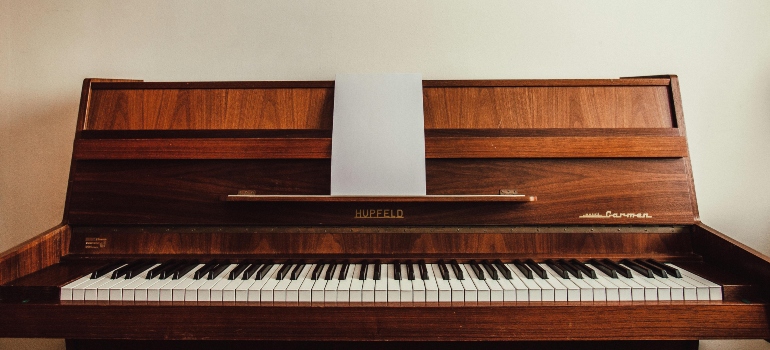
Planning your move in advance
Planning your move in advance makes relocating a piano safer and less stressful. Start by setting a clear timeline for your move. Check both your current and new spaces. Measure doorways, staircases, hallways, and elevators. Remove any obstacles that could block the path. Create a checklist of all tasks, such as packing, protecting, and moving the piano. Decide if you need professional help or if you can handle the move yourself. Professional movers have special equipment like dollies, straps, and ramps to transport heavy pianos safely. Schedule the moving day when weather conditions are favorable.
Avoid extreme heat or rain, which can damage the piano’s wood and finish. Prepare the piano itself by locking the keyboard cover and securing pedals. Plan where you will place the piano in the new location. Make sure the floor is stable and level. Label equipment and materials to save time during the move. Communicate clearly with everyone involved in the move, including friends, family, or hired movers. Planning ahead reduces stress and protects your piano from damage. With proper preparation, you can move your piano efficiently and enjoy it safely in your new home.
Protecting your piano during relocation
Moving a piano without proper protection can cause scratches, dents, or internal damage. Taking the right precautions keeps your instrument safe and in good condition. Here’s how to protect your piano during the move.
- Use padding and covers: Cover your piano with thick padded blankets or specialized piano covers. Wrap all sides, including corners and edges, to prevent scratches. Use moving straps to hold blankets in place without putting pressure on the piano’s structure.
- Secure delicate parts: Pay attention to pedals, keys, and other delicate components. Remove or lock the keyboard cover if possible. Cover pedals and hinges with soft padding to avoid dents or bending.
- Avoid dragging: Never drag the piano across floors. Dragging can damage both the piano and your flooring. Lift the piano using dollies or sliders. Keep the instrument level to prevent stress on internal components.
- Maintain the correct position: For upright pianos, always move them in an upright position. Grand pianos require careful handling with extra hands or professional equipment. Tilting or placing a piano incorrectly can damage the frame and strings.
- Monitor environment: Keep your piano away from direct sunlight, extreme heat, or moisture during the move. Rapid temperature or humidity changes can warp wood or affect tuning.
Using these steps protects your piano and reduces stress during relocation. Proper handling keeps it safe and ready to play in your new home.

What are the challenges of relocating a piano?
These articles prove especially tricky to haul due to the massive weight they pack, which lies between six hundred and fifty and one thousand three hundred pounds. Most of them stand about five feet high and can be around nine feet long.
Therefore, it is easy to damage the device if it is not handled with caution. Also, it is easy to get injured if not appropriately carried since a small slip could end in a hospital visit. Damage to the piano can also be significant, and a basic fix can result in dishing out two thousand dollars or more.
Accordingly, it is economical to turn to expert piano relocating teams since they come with the necessary tools to take the articles apart, pack the pieces, and transport them. Also, they have extensive knowledge of how to fit in tight spots without damaging the piano or causing harm to anyone.
Which moving company from Markham can help move my piano?
There are several important factors to consider before you attempt to move your piano. However, even once you’ve done all the research and it seems you’ve thought everything through, you still may end up unable to adequately move your piano. This is why you need to hire the services of a professional moving company and receive the necessary assistance.
Luckily, you can always rely on Miracle Movers to provide efficient and reliable piano moving services across Markham and all the surrounding areas. It doesn’t matter if you’re relocating your piano to an address near Yonge Street, or somewhere else. Our experienced movers have ample experience moving pianos, and you can count on us to perform a swift relocation. Reach out to us today and we’ll see how we can help you out.

Hiring professionals or doing it yourself?
Deciding whether to hire movers or handle the piano move yourself affects safety, cost, and stress levels. Both options have benefits and challenges. Understanding them helps you choose the best approach for your situation.
Benefits of professional movers
Professional piano movers have experience and specialized equipment. They use dollies, ramps, and straps to handle heavy instruments safely. Professionals also carry insurance, protecting your piano if any damage occurs. They can plan the move efficiently and reduce the risk of accidents.
Advantages of DIY moving
Moving the piano yourself saves money and gives you full control. You can schedule the move at your convenience. With the right tools, like piano dollies, straps, and padding, a DIY move can succeed. Involving friends or family provides extra hands and support.
Consider costs and risks
Professional movers cost more, but they reduce the risk of damage. DIY moves cost less, but mistakes can lead to scratches, dents, or injuries. You must balance budget and safety.
Choosing the right option
Evaluate your piano type, home layout, and moving distance. Upright pianos in small homes might be manageable yourself. Grand pianos or long-distance moves usually benefit from professionals. Ask for references or reviews when hiring movers.
Transporting your piano safely
Moving a piano requires careful handling to prevent damage and accidents. The right techniques and tools make transportation smoother and safer. Here are key steps to move your piano securely.
Use proper equipment
Use piano dollies or heavy-duty sliders to lift and move the instrument. Secure the piano with straps to keep it stable during transport. Ramps help you navigate stairs or small inclines safely. Avoid rolling the piano on bare wheels without support.
Keep the piano level
Maintain an upright position for upright pianos and proper alignment for grand pianos. Tilting the instrument can strain the frame or damage strings. Check that the piano stays level while moving it on dollies or inside the truck.

Secure the piano in the vehicle
Place the piano on a flat surface inside the moving truck. Use straps or ropes to prevent shifting during transport. Add padding around the piano to protect it from walls and other items. Avoid stacking heavy objects on top.
Monitor environmental conditions
Keep the piano away from direct sunlight, extreme heat, or moisture. Rapid temperature and humidity changes can warp the wood or affect tuning. Cover the piano with blankets to provide extra protection.
How to handle specific pianos
Different types of pianos require unique approaches during a move. Understanding their needs helps prevent damage and simplifies relocation.
How do I handle a grand piano?
This kind of piano is provided in two types – grand and baby grand pianos. With the nature of these types of musical instruments, the best option is to turn to experienced piano movers that have been specially trained to carry out the task of relocating them.
Without the necessary skill set, there is a good chance that the furniture piece will end up damaged along with property. It can also cause injury to the people involved. Usually, not many relocating agencies handle these articles
How do I handle an upright piano?
These kinds of pianos are generally less challenging to handle, which makes it easy for most moving firms to handle them with ease. All you have to do is enter a search for reliable movers on a web browser and sift through the presented results. Ensure that you confirm that a company handles such tasks before settling on an option.
How do I handle digital pianos?
Digital pianos are lighter but still fragile. Digital pianos also contain sensitive electronic components that can fail if exposed to moisture or extreme temperatures. Keep them away from rain, direct sunlight, and heating vents during the move. Use sturdy boxes or cases for extra protection, especially for long-distance transportation.
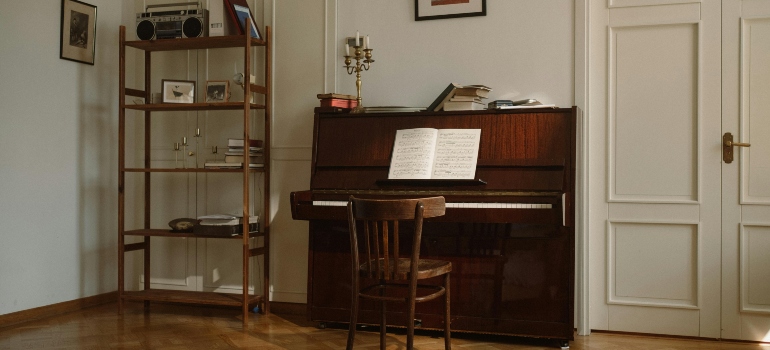
After the move: Settling your piano
Once your piano reaches its new home, proper placement and care help it stay in good condition. Taking a few steps after the move keeps the instrument safe and ready to play.
- Choose the right spot: Place your piano on a flat, stable surface to prevent wobbling. Avoid areas near direct sunlight, heaters, or air vents. Sudden temperature changes can damage wood and affect tuning. Measure the space before moving it in to avoid tight squeezes or damage to walls.
- Unpack and inspect: Remove all protective covers, straps, and padding carefully. Check for scratches, dents, or other damages that may have occurred during the move. Make a note of any issues before scheduling a tune-up.
- Allow time to settle: Let your piano acclimate to the new environment for several days. Wood and internal components adjust slowly to temperature and humidity changes. Avoid moving or using the piano heavily during this period.
- Tune and maintain: After settling, have a professional tuner adjust the piano. This restores sound quality and compensates for any minor shifts during the move. Regular maintenance helps keep your piano in peak condition.
Taking these steps helps your piano adapt to its new home. Proper placement, inspection, and tuning allow you to enjoy the instrument safely and without problems.
Tips for reducing stress during the move
Moving a piano can be stressful, but planning and small strategies reduce pressure. Start with a clear checklist of tasks. Assign responsibilities to friends, family, or helpers. Clear pathways in both locations prevent accidents and save time. Prepare snacks, water, and short breaks to keep energy levels high. Label boxes and equipment to avoid confusion during the move. Communicate clearly with everyone involved, including movers or helpers, to prevent misunderstandings.
Use proper lifting techniques, such as bending your knees and keeping your back straight, to avoid injury. Listen to your body and take pauses if you feel fatigued. Organize tools and protective materials before the move, so you don’t waste time searching for them. Set realistic timeframes for each step, leaving extra room for delays. Choose a moving day with favorable weather, avoiding extreme heat, rain, or snow.
Consider hiring professionals like Miracle Movers Toronto for heavy or long-distance piano moves. Following these tips helps the process feel manageable, protects your piano, and keeps you calmer. Planning ahead and staying organized reduces stress and creates a smoother moving experience overall.

How do I manage relocating my piano safely and efficiently
Moving a piano requires careful planning, proper equipment, and attention to detail. Start by measuring spaces and clearing pathways in both homes. Protect the instrument with padding and secure delicate parts. Decide whether to hire professionals or handle the move yourself, weighing costs and safety. Transport the piano with dollies, straps, and ramps, keeping it level and stable. After the move, place it on a flat surface, let it settle, and schedule a tune-up. Following these steps reduces stress and protects your piano. With careful planning, relocating my piano becomes manageable, safe, and rewarding for any home.


