


The aftermath of relocations – bubble wrap, plastic sheets, cartons – almost always ends up in a landfill. This cycle can be stressful if you care about your carbon footprint. Even though relocations are not at the forefront of fighting the waste crisis, you can make a difference with the ideal green relocation. Companies like Miracle Movers help you reduce your environmental impact by offering eco-friendly moving solutions. Using innovative steps and items you already have at home makes the process even easier. Before feeling overwhelmed, try some of these supplies to start your eco-friendly relocation. These small choices make your move cleaner, more efficient, and better for the planet.

Planning ahead: The foundation for an eco-friendly move
Planning ahead sets the foundation for an eco-friendly move. When you organize early, you cut down on waste and stress. Start with a clear timeline that includes sorting, packing, and transport dates. Create a digital checklist instead of printing one to save paper. Declutter your home and donate items you no longer use. Many charities offer free pickup services, making it easier to give responsibly. Choose moving supplies made from recycled materials and avoid single-use plastics.
When possible, rent reusable crates instead of buying new boxes. Schedule your move during off-peak hours to reduce fuel use and traffic delays. Research local recycling centers for proper disposal of unwanted goods. A well-planned move saves money, time, and energy. Every step you take toward preparation reduces your environmental footprint. With a little planning and care, your move can stay organized and truly green from start to finish.
Sustainable packing: Reducing waste and reusing smartly
Packing sustainably plays a big part in making your move eco-friendly. When you choose materials that protect the planet, you cut down on waste and save money. You also make your move smoother and more organized.
Recycled cartons
Boxes are part of nearly every relocation, and they are used to organize most of the knick-knacks in the home. Therefore, they account for most of the garbage that results from the venture. Make use of any containers you may have in the house, especially those that came with electronics like televisions and kitchen appliances. Alternatively, you can purchase green boxes that can be reused from residential moving companies in Toronto that also offer packing services.
Mince on paper
Paper sheets and newsprint act as a useful cushioning material for items in containers. Instead of having to purchase new ones at your local store, you can start saving up on waste paper in your home as soon as you learn about the move. Corrugated cardboard and other products can serve the purpose of packing sheets in keeping fragile pieces safe and filling in any remaining spaces once everything is organized in containers. Ripped carboards can also be used to create various sections in cartons. When using printed newspaper, it is advisable first to wrap the items in polythene bags to avoid the transfer of ink.
Towels, blankets, and clothing
Towels, blankets, and even linens can serve as a great starting point for cushioning your small possessions such as frames and lamps. The padding effect of these items also allows them to fill any room that is left once chattels are placed in containers. However, be careful when wrapping kitchen tools since the towels or other clothes being used may end up catching a food smell.
Choosing green transportation options
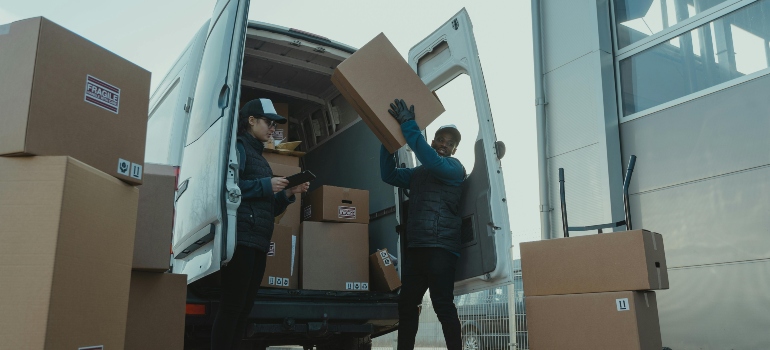
Choosing green transportation options makes your move cleaner and more efficient. Many moving companies now use electric or hybrid trucks to cut emissions. You can ask about these options when booking your move. Shared transportation also helps reduce fuel use since trucks carry multiple shipments on one route. According to the Canada Energy Regulator, there are growing electric vehicles incentives in Canada. Plan your route carefully to avoid unnecessary trips and wasted fuel. Pack everything tightly so you don’t need extra runs.
If you’re moving a short distance, consider renting a small electric van instead of a large truck. For long-distance moves, look for companies that offer carbon offset programs. These programs help balance the environmental impact of your trip. Choosing the right transport method supports your goal of an eco-friendly relocation and helps create a cleaner environment for future generations.
The ideal green relocation: Integrating sustainability into every step
Creating the ideal green relocation means focusing on sustainability throughout your entire move. Every decision you make—from packing to transport—shapes how eco-friendly your relocation becomes. When you combine small, conscious actions, you reduce waste, save money, and protect the planet.
- Plan with purpose: Start early and set clear goals for your move. Use digital tools to organize your tasks instead of printing checklists. Donate or sell unwanted items instead of throwing them away. Each item you reuse or recycle keeps unnecessary waste out of landfills.
- Pack smart and reuse often: Choose recycled boxes and biodegradable wrapping materials. Wrap fragile items in towels or clothing instead of plastic bubble wrap. Label boxes clearly to avoid repacking later. Every reused or repurposed material makes your move cleaner and cheaper.
- Choose eco-friendly transport: Ask your moving company about electric or hybrid vehicles. These trucks reduce fuel consumption and lower emissions. When possible, choose shared transportation to minimize the number of trips. For short distances, consider renting a smaller, fuel-efficient vehicle.
- Stay green after you move: Your eco-friendly choices shouldn’t stop once you arrive. Recycle all packing supplies responsibly. Set up your new home with energy-saving appliances and LED bulbs. Keep practicing waste sorting and reuse habits daily.
How green relocation saves you money
Green relocation doesn’t just help the planet—it also saves you money. When you use recycled boxes and reusable supplies, you spend less on packing materials. Renting plastic crates instead of buying new boxes cuts costs and reduces waste. Decluttering before moving lowers the number of items you transport, which means less truck space and fuel use. Downsizing can save up to 30% on total moving expenses. Choosing an energy-efficient truck or shared transport helps you cut fuel costs even more.
Donating unwanted items might qualify you for tax deductions, adding to your savings. Packing smartly and avoiding extra trips prevents unnecessary expenses. After your move, reusing materials and switching to energy-efficient home appliances can lower utility bills. Every sustainable choice adds up, keeping your wallet and the environment in better shape. Green relocation makes financial and environmental sense for anyone planning a move.

Common mistakes that ruin a green move
Even the best plans can fall apart if you overlook key details. A green move requires consistency, awareness, and a bit of preparation. When you understand common mistakes, you can avoid them and keep your relocation truly eco-friendly.
Overpacking and keeping unused items
Many people pack everything they own, even items they no longer need. This mistake increases fuel use, moving costs, and waste. Sort through your belongings before packing. Donate, sell, or recycle anything you don’t use. Fewer boxes mean less stress and fewer emissions.
Using wasteful materials
Plastic wraps, foam peanuts, and single-use boxes create unnecessary waste. Choose recycled cartons, biodegradable materials, or reusable bins instead. Wrap fragile items in towels or clothing to cut down on plastic. Every smart swap reduces your move’s environmental impact.
Ignoring donation and recycling options
Throwing away usable items adds to landfill waste. Research local donation centers or recycling facilities before moving day. Many organizations offer free pickups for clothes, furniture, and electronics. Giving away items helps others and keeps your move sustainable.
A successful eco-friendly move depends on small, thoughtful actions. When you stay organized and avoid these mistakes, you keep your move smooth, clean, and truly green.
Final checklist: How to know you’ve achieved an eco-friendly relocation
Finishing your move doesn’t mean your green efforts stop. A final checklist helps you confirm that your relocation stayed sustainable from start to finish. Checking every stage gives you a clear picture of what you accomplished and where you can improve next time.
Review your packing choices
Start with your packing materials. Did you use recycled cartons, reusable plastic moving bins in Toronto, or biodegradable wrapping? Check that you avoided single-use plastics and minimized waste. If you have leftover supplies, donate or recycle them instead of throwing them away.
Evaluate transportation methods
Think about your transportation choices. Did you use an electric, hybrid, or shared moving truck? Review your routes and see if you reduced extra trips. Combining loads and avoiding traffic-heavy times helps lower emissions and fuel costs.

Track waste management
Look at how you handled unwanted items. Donating clothes, furniture, and appliances keeps useful goods out of landfills. Recycle anything that can’t be reused. Many local centers accept paper, cardboard, and certain plastics for responsible disposal.
Check your new home setup
After settling in, keep your new space sustainable. Install LED bulbs, use energy-saving appliances, and reduce water waste. Create separate bins for recycling and composting. Small daily actions keep your new home environmentally friendly.
Your green relocation: How to move sustainably and efficiently
Completing a green move requires attention to every step. The ideal green relocation starts with planning and organizing, which reduces stress and waste. Use recycled boxes, reusable containers, and household items like towels or clothing to pack safely and sustainably. Choose energy-efficient or shared transportation to lower fuel use and emissions. Donate or recycle items you no longer need to avoid landfill waste. After settling in, set up energy-saving appliances, LED lights, and recycling routines to maintain eco-friendly habits. Tracking your carbon footprint and practicing sustainable choices daily helps you measure your impact. Each thoughtful action contributes to a cleaner, more efficient, and responsible move.


