


Adapting to a new climate takes time, patience, and smart daily choices. Weather affects clothing, health, energy, and comfort at home. A move across regions can feel exciting, but new temperatures can also feel unfamiliar. Top movers Toronto understands that weather changes often add stress after a move. Still, a few practical habits can make the adjustment much easier. Clear planning helps new residents feel more comfortable and confident in their new surroundings while adapting to new climate after relocation.
Wear the appropriate clothing (but don’t go overboard)
Clothing plays a big part in climate adjustment after a move. Warm places call for breathable fabrics, lighter shoes, and sun protection during the day. Cold places require coats, gloves, scarves, and layers that trap body heat well. At the same time, balance matters. Heavy clothing in mild weather can feel uncomfortable and unnecessary. Light clothing in harsh winter weather can create real health problems. A smart closet should match the conditions in the new area. Regions with changing seasons need both summer and winter clothing ready at all times. Seasonal comfort starts with practical choices, not with a full wardrobe replacement.
Shop for outfits in the new neighborhood
Local stores often sell clothing that fits the climate in that area. That makes shopping in the new neighborhood a smart step after moving. Residents in colder states usually need stronger coats, thicker socks, and better winter boots. In hotter places, stores often carry lighter fabrics that work better in daily heat. Local products also reflect how people handle wind, rain, humidity, or dry air. As a result, new arrivals can make better choices after seeing what locals wear. A jacket bought in one state may not work well in another. Shopping locally helps people dress more comfortably and avoid wasting money on the wrong items. At the same time, packing services Toronto can make the move easier because organized boxes help people unpack seasonal clothing faster.

Keep heat stroke at bay and stay hydrated in warm weather
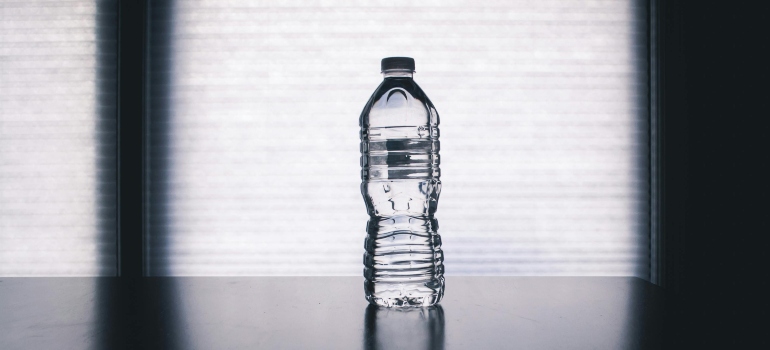
Hot weather creates real challenges for people who come from cooler places. Water intake matters every day, especially during errands, exercise, or long periods outdoors. Dehydration can lead to headaches, weakness, dizziness, and heat-related illness. For that reason, carrying a water bottle often makes daily life easier. Sunscreen also matters because strong sun exposure can damage skin faster than expected. Hats, sunglasses, and loose clothing offer more support during very warm days. Outdoor plans should also fit the temperature. Early mornings and evenings often feel safer and more comfortable than midday hours. Small adjustments help the body handle heat with less stress and better comfort.
Avoid getting sick in cold climates
Cold weather demands more care, especially during the first months after relocation. Thin clothing and poor home heating can increase discomfort and raise health risks. Low temperatures can lead to colds, dry skin, and serious problems in extreme cases. Frostbite and hypothermia become real concerns in severe winter conditions. Indoor warmth matters just as much as outdoor protection. Homes need proper heating, warm blankets, and sealed windows during colder months. Gloves, boots, and layered clothing also help reduce strain on the body. Cold air can feel harsh for newcomers, but steady routines make the shift easier. Daily preparation helps people stay healthy, active, and comfortable during winter. Families who need extra space during the move often realize why climate-controlled storage in Toronto is a game-changer when freezing temperatures and moisture can harm stored items.
Moist heat versus dry heat
Heat does not feel the same in every location. Humid heat often feels heavier because sweat does not dry quickly on the skin. That slows the body’s natural cooling process and increases discomfort outdoors. Dry heat creates a different problem. Skin may feel tight, lips may crack, and the throat may feel irritated. People often notice these changes soon after moving. Humidity levels affect daily comfort, sleep, exercise, and skin care needs. Because of that, climate adjustment involves more than checking the temperature alone. A humid eighty-five degrees can feel very different than a dry eighty-five degrees. Understanding local moisture levels helps new residents prepare in a more practical way.
Explore the outdoors
Many people stay inside when the weather feels unfamiliar or unpleasant. Still, spending some time outdoors helps the body adjust more naturally. Short walks, light activity, and regular fresh air can improve comfort over time. Local parks, sidewalks, and public spaces offer easy ways to build this habit. New residents also learn more about the area while adjusting to the climate. That process helps create routine and a stronger sense of connection. Indoor comfort matters, but constant indoor isolation can slow adaptation. Gradual outdoor exposure often works better than avoiding the weather completely. With time, the new climate starts to feel less strange and more manageable.
Learn the seasonal patterns of your new area before the first weather swing
A new city often follows weather patterns that feel unfamiliar at first. Some places bring long dry spells, while others bring fast storms, icy roads, or sharp drops at night. New residents should check average temperatures, storm months, wind levels, and sunrise times before each season begins. Local forecast pages and weather alerts can help people plan better and avoid surprises. If local knowledge and better planning matter during your move, consider hiring movers Calgary to help you prepare for seasonal changes.
The National Weather Service also urges people to track forecasts regularly and prepare before severe weather arrives. Studying the seasons also helps with simple daily choices. A humid summer changes outdoor exercise plans. A snowy winter changes commute times and shoe choices. A windy fall can make a short walk feel much colder than the temperature suggests. New residents who understand these patterns can shop better, dress better, and plan errands with less stress. That kind of preparation builds confidence fast.
Prepare your home for the new climate after the first uncomfortable night
A home should support comfort in every season. Drafty windows, thin curtains, and poor airflow can make a new place harder to enjoy. Thick curtains can block harsh sunlight in hot months. Window seals can stop cold air from creeping in during winter. Humidifiers can help in dry climates, while fans and clean filters can improve comfort in warm areas. Small changes often make a big difference during the first month.
Real life usually makes this lesson clear very quickly. One cold night without enough blankets or one hot afternoon in a stuffy room can change priorities fast. That first rough evening often explains why you should hire movers in Toronto when weather, heavy furniture, and tight move-in schedules all hit at once. Professional help can free up time for home setup, heating checks, and unpacking the items that matter most first. Homes feel better sooner when people focus on comfort right away.
Build a daily routine around the weather during the first full week
Daily routines should match local conditions instead of fighting them. Morning may work best for walks in hot areas. Midday may feel better in cold places after the ice starts to melt. Rainy cities may call for grocery trips earlier in the day, while windy places may make evening exercise less pleasant. Small schedule changes can protect energy and help people avoid weather-related stress. A weather-based routine can stay very simple:
- Check the forecast before leaving home.
- Plan walks and workouts during the safest part of the day.
- Group errands together during rain, snow, or heavy wind.
- Keep backup indoor tasks ready for bad weather days.
- Leave extra travel time when roads may turn slippery.
These habits work well because they reduce last-minute pressure. They also help children, older adults, and busy workers keep a steady rhythm. The CDC recommends drinking fluids, planning outdoor activity carefully, and using lighter clothing and sunscreen during hot weather. AirNow also notes that outdoor activity may need changes when air quality drops.

Protect your skin and health in a new environment
Adapting to new climate after relocation is hard, especially because climate affects the body in quiet ways at first. Dry air can lead to cracked lips, itchy skin, and sore nasal passages. Strong sun can cause skin damage faster than expected. Pollen, dust, and smoke can also create problems for people with allergies or asthma. A basic care routine can help a lot. Gentle moisturizer, lip balm, sunscreen, water intake, and clean bedding can support daily comfort. People who move into dry or windy places often notice skin changes within days.
Checking daily air quality also helps families plan walks, school pickup, and outdoor play during smoky or dusty periods. Local air reports matter even more for children, older adults, and anyone with breathing concerns. Meanwhile, the CDC advises sunscreen, water, shade, and activity planning during hot weather. Cold weather guidance also warns that low temperatures can lead to frostbite or hypothermia without proper clothing and limited outdoor exposure, learning how to protect your skin in cold weather is a smart move.

Get ready for sudden weather changes before the first big storm
Some areas can shift fast within hours. A warm afternoon can turn into a cold evening. Clear skies can change into heavy rain, hail, or strong winds before dinner. New residents should build a small weather backup plan as soon as they move in. A flashlight, batteries, bottled water, blankets, charged power banks, and extra pet supplies can all help during a quick change. The National Weather Service advises people to check forecasts often, understand local alerts, and prepare before severe weather starts.
If weather shifts and moving-day timing are a concern, consider hiring GTA movers for support with local conditions and logistics. Families often deal with shifting weather during loading, travel, and delivery. Because of that, keeping rain covers, extra towels, and a few easy-access clothes near the door can save time and stress. A backup route for work or school can help too. Good preparation does not need to feel dramatic. It simply helps a household stay calm when the weather changes with little warning.
Help children and pets adjust more easily during the first few days
Children and pets often react faster than adults to a new climate. A child may feel tired in hotter weather or resist outdoor time in strong winds. A dog may need shorter walks during icy mornings or very hot afternoons. Cats may hide more during dry, cold days in a new home. Families should watch these changes closely and respond with simple routine updates.
Regular mealtimes, bedtime structure, and short outdoor breaks can help children settle faster. Pets may need extra water, paw care, or shorter walks at first. Coats, cooling mats, shaded play, or indoor games may help, depending on the season. Real life often proves this point on the first school morning or the first dog walk after sunset. Comfort grows faster when families stay patient and notice these small signals early.
Give yourself time to adjust physically and mentally after the move
The body needs time to get used to new temperatures, humidity, and daylight patterns. Energy may feel lower during the first weeks. Sleep may shift. Mood may change during long gray periods, harsh heat, or very short winter days. That reaction does not mean something went wrong. It often means the body is still adjusting.
Patience matters here. New residents do not need to master everything in one week. Light outdoor time, enough water, solid meals, and steady rest can help the body adapt at a healthier pace. Many families also notice that moving to Canada vs leaving Canada brings a mental shift as well as a weather shift. New clothing, new routines, and new daylight hours can all affect stress levels. Adapting to a new climate after relocation becomes easier when people accept that adjustment takes time rather than demanding instant comfort.
Tops for adapting to new climate after relocation
Weather adjustment rarely happens overnight. Daily choices shape how fast a new place starts to feel normal. Learning local patterns, setting up the home, protecting health, and staying ready for sudden changes all make a real difference. Families also benefit when they watch how children, pets, and personal energy respond during the first weeks. Adapting to a new climate after relocation gets easier with patience, simple routines, and realistic expectations. A thoughtful plan helps each season feel less overwhelming and much more familiar.


