


Leaving your family home can feel exciting, but also challenging. You move into a space where you make all decisions on your own. As a result, relocating to your first home requires more independence and responsibility. For example, you now manage rent, bills, and daily expenses without support. At the same time, planning becomes more important than ever. Many people struggle with budgeting, packing, and organizing their move. However, preparation can make everything easier. Simple steps, such as creating a checklist and setting a budget, help you stay on track. Also, working with experienced teams like top movers Toronto can reduce stress and save time. Therefore, clear guidance and practical advice can help you handle each step with confidence.
Why relocating to your first home requires careful planning
Leaving your family home brings both freedom and new pressure. You now handle rent, bills, and daily tasks on your own. As a result, emotional and financial adjustments happen at the same time. For example, many first-time movers underestimate monthly expenses like groceries or utilities. Therefore, setting realistic expectations helps you avoid stress early. You need to understand what you can afford and how to manage your time and money.
At the same time, independence requires responsibility in every decision you make. Preparing for your first home move means thinking ahead and staying organized. Create a clear, step-by-step plan that covers packing, transport, and moving day tasks. For instance, list deadlines for booking services, packing rooms, and setting up utilities. This structure helps you stay focused and reduces last-minute problems that often occur during first moves.

In addition, avoiding common mistakes can save both time and money. Many people forget to budget for small costs or delay booking movers. As a result, they face higher prices or limited availability. Working with experienced teams like movers Georgina can help you avoid these issues. They guide you through the process and handle heavy tasks. Careful planning makes your first move more controlled and less stressful.
Understanding moving costs when relocating to your first home
Moving costs can vary depending on how you plan your relocation. First, you need to compare a DIY move with hiring professionals. Driving your own car may seem cheaper at first. However, fuel, time, and multiple trips can increase the total cost. On the other hand, professional movers charge hourly rates for local moves, often around $100 per hour. As a result, you should calculate both options before making a decision.
For long-distance moves, pricing works differently and depends on several factors. Distance, weight of items, and additional services all affect the final cost. For example, moving from Canada to US requires more planning and higher expenses due to distance and logistics. In many cases, hiring movers makes more sense when you have large furniture or a limited time. They reduce effort and help avoid delays.
You should also budget for packing supplies and transport-related costs. These expenses often get overlooked, but add up quickly. Consider the following:
- Boxes, tape, and protective materials
- Fuel or transportation fees
- Temporary storage if needed
- Insurance for valuable items
Planning these costs early helps you stay within budget. Therefore, you can avoid unexpected expenses and manage your move more effectively.
Budgeting essentials for relocating to your first home
Creating a clear budget is one of the first steps when relocating to your first home. From our experience, many first-time movers underestimate small daily costs. As a result, expenses grow faster than expected. You should start with a simple monthly plan before moving day. Include rent, groceries, transport, and basic bills. For example, rent should not take more than about 30% of your income. This helps you stay financially stable from the start.
Next, you need to allocate funds carefully and leave room for unexpected costs. In several moves we handled, clients faced surprise expenses during the first weeks. Therefore, setting aside emergency savings is a smart decision. Even a small reserve can help cover urgent repairs or extra bills. At the same time, track your spending during the first months. This habit helps you adjust your budget and avoid mistakes.

It is also easy to overspend while setting up your new home. Many people try to buy everything at once. However, it is better to prioritize essentials first. For instance, focus on furniture, kitchen basics, and daily needs. Services like packing services Toronto can also help you avoid unnecessary purchases. Based on our experience, a gradual approach keeps your budget under control and reduces stress.
Rent and security deposit: What you need to know
Rent and deposit costs are often the biggest expenses when moving into your first place. In most cases, landlords ask for one or two months’ rent as a deposit. From our experience, many first-time renters feel surprised by this upfront cost. Therefore, you should prepare these funds before signing any agreement. This step helps you avoid delays and secure your desired apartment on time.
At the same time, it is important to check local laws and limits on deposits. Some regions set clear rules on how much landlords can charge. For example, you can review tenant guidelines on official sites. Understanding these rules protects you from overpaying. Also, read your lease carefully before signing. Pay attention to payment terms, maintenance rules, and notice periods.

In addition, think ahead about getting your deposit back when you move out. We have seen many cases where small damages reduced the refund amount. Because of that, document the condition of the apartment when you move in. Take photos and keep records of any issues. Also, follow the lease rules during your stay. Careful planning helps you protect your deposit and avoid unnecessary costs later.
Managing utility costs in your new home
Utility costs can quickly affect your monthly budget if you do not plan. First, you need to understand the main services you will pay for. These usually include water, electricity, gas, and internet. From our experience, many first-time movers assume some of these are included in rent. However, that is not always the case. Therefore, confirm with your landlord what is covered before you move in.
Next, set up your utility accounts early to avoid service delays. We have seen cases where clients moved in without electricity or internet for days. As a result, daily tasks became harder than expected. Contact providers in advance and schedule activation before your move-in date. Also, look for ways to reduce costs. For example, bundling internet and cable services often lowers monthly bills. Small steps like this can help you stay within budget.
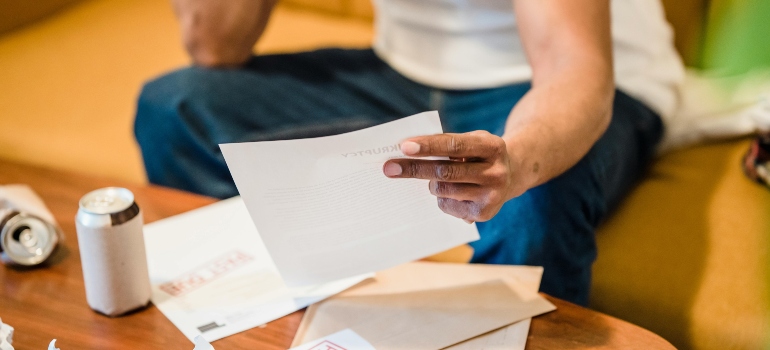
At the same time, track your monthly utility usage closely. Review your bills and adjust your habits if costs rise. For instance, turning off unused devices and managing heating can lower expenses. These habits make a difference over time. In fact, questions like should you purchase or rent a home often connect with long-term cost planning. Careful monitoring helps you stay organized and avoid financial stress.
Food and daily living expenses after relocating to your first home
Food and daily expenses often become clearer after you move out on your own. First, you should estimate your weekly grocery budget. Many people spend more than expected during the first month. Therefore, track your purchases and adjust as needed. For example, plan a fixed amount for groceries each week. This approach helps you stay consistent and avoid overspending.
Cooking at home usually costs less than eating out. However, it requires planning and some basic equipment. You should invest in essentials like a fridge, cooking tools, and storage containers. As a result, you can prepare meals in advance and reduce daily expenses. Meal planning also helps you avoid waste. For instance, buying ingredients for several meals at once can lower costs and save time.

At the same time, building simple habits early makes a big difference. Relocating on a budget becomes easier when you control daily spending. Avoid frequent takeout and focus on simple, home-cooked meals. Also, keep track of small expenses like snacks or drinks, since they add up quickly. Over time, these habits help you maintain a stable budget and feel more in control of your finances.
Choosing the right transportation option
Transportation is one of the key costs you will manage after moving. First, think about the real cost of owning a car. It is not only fuel, but also insurance, maintenance, and parking fees. As a result, monthly expenses can grow quickly. For example, city parking alone can take a large part of your budget. Therefore, you should calculate all costs before deciding to rely on a personal vehicle.
At the same time, public transport can offer a more affordable option. Many cities provide monthly passes that reduce daily travel costs. In addition, buses and trains often cover main routes for work and errands. You should research local options and compare prices. This helps you find the most efficient solution. Also, planning your daily routes saves both time and money. For instance, combining errands into one trip reduces travel expenses.
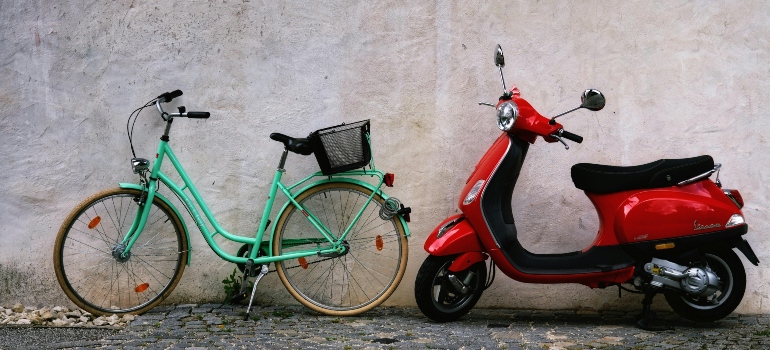
However, your choice may change depending on your schedule and income. You may start with public transport and switch later if needed. Flexibility helps you stay within budget. In some situations, delays can affect your plans, similar to what you can do when your movers are late. Therefore, always allow extra time for travel. Careful planning keeps your routine stable and your expenses under control.
How to stay organized and settle in faster
Staying organized helps you settle in faster after relocating to your first home. First, focus on unpacking essential items. These include bedding, basic kitchen tools, and daily toiletries. As a result, you can function comfortably from the first day. For example, setting up your bed and preparing simple meals right away reduces stress. This step gives you a stable starting point in your new space.
Next, create a simple daily routine to bring structure to your day. You should plan basic tasks like meals, work, and cleaning. At the same time, keep your important documents and bills in one place. Use folders or digital apps to track payments and deadlines. This helps you avoid missed bills and late fees. In addition, a clear routine supports better time management and reduces confusion.
You should also build your living space step by step instead of rushing. Start with what you need most, then add items gradually. For instance, focus on comfort before decoration. This approach helps you control spending and avoid clutter. If needed, ask for help from friends or professionals. Support can make the process easier and faster, especially during the first weeks in your new home.
Start relocating to your first home with confidence
Planning and budgeting play a key role when relocating to your first home. When you organize your finances early, you avoid stress and unexpected costs. For example, setting limits for rent, food, and transport helps you stay stable. At the same time, staying organized makes daily life easier. Simple habits like tracking bills and unpacking can save time and effort. You should also make smart financial decisions from the start. Avoid large purchases and focus on essentials first. In addition, professional movers can support you with tools and experience. They help reduce risk and save time during the move. Start relocating to your first home with confidence. Contact our team today for reliable support, clear pricing, and a well-planned move.


