


Packing shapes the quality of any relocation, and strong planning creates clarity from the first day of preparation. When you rely on well-structured guidance built around essential packing tips, every stage becomes easier to manage and more predictable. A clear framework helps you reduce clutter, protect valuables, and maintain a steady pace without losing focus. Many households start this process with support from Miracle Movers, whose experience across residential and commercial routes reinforces efficient preparation. Their structured approach aligns with the goal of creating a stable plan that follows logical steps, respects your schedule, and keeps each category under control. With the right strategy, you build momentum early, stay organized, and create a move that follows a sequence designed for safety, speed, and precision.
Initial household assessment
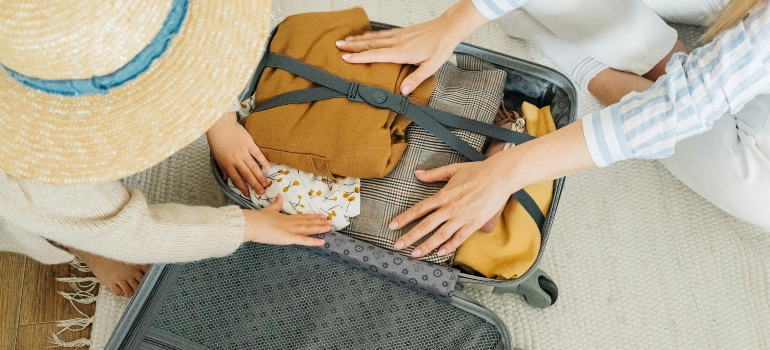
Evaluating your household is the first step toward a controlled packing process. You separate rarely used belongings, daily items, and delicate pieces that require extra attention. This method reduces time spent revisiting the same categories. It also creates space for clearer decision-making. Many people adopt similar strategies used by movers in Bradford Ontario, whose approach emphasizes early sorting and consistent categorization. When you apply essential packing tips, you introduce structure that keeps momentum steady. A detailed evaluation gives you a broader view of your entire home. You track the volume of each category, identify heavy items that require extra support, and map out which rooms should be handled first.
This process simplifies your supply planning because you understand how many boxes, wraps, and labels you need before any clutter forms. You also reduce the stress of last-minute decisions because every item already has a designated purpose. This clarity helps you stay disciplined as you move from one space to another. Strong organization early on prevents emotional fatigue and supports a productive rhythm that stays consistent throughout the preparation timeline.
Supply planning and acquisition
Once you establish clear categories, gathering durable supplies becomes your next priority. Strong boxes, wraps, tapes, and protective materials safeguard fragile belongings during loading and transport. This approach matches the methods applied by movers King City Ontario who prioritize sturdy materials that support efficient stacking. Using advanced supplies reinforces your confidence and supports smart handling techniques that follow key packing recommendations. Versatile supplies help you manage belongings from different areas of your home without slowing your pace. Dish barrels protect kitchenware, while wardrobe boxes simplify clothing transport and reduce wrinkles. Bubble wrap shields delicate valuables, and thick blankets protect furniture during longer drives.
These materials give you flexibility, reduce risk, and maintain order from the start. You also avoid box collapse, moisture exposure, and surface damage because you rely on reliable equipment. Planning your supplies early shortens preparation time because everything stays within reach. You never pause to search for tape rolls, marker pens, or padding materials. Your workflow stays consistent and predictable. Good supply management lays the groundwork for smooth progress and forms a strong base for every other step in your relocation.

Room-by-room sequencing
Room-by-room organization prevents confusion and shortens preparation time. When you finish one area before moving to the next, you reduce clutter and maintain a clear visual overview of your progress. This practice aligns with the pace encouraged by movers Vaughan, who rely on structured sequencing to protect belongings and streamline loading. Consistent pacing supports the broader system behind essential packing tips, especially when you coordinate your work with labeled zones and logical order. A sequential approach allows you to focus without distractions. You stay committed to one room until everything is wrapped, boxed, labeled, and placed near the exit path.
This method gives you a complete sense of closure before moving forward. You also reduce the chances of misplacing daily essentials because you avoid shuffling items between different rooms. This strategy works especially well in larger homes where multiple people pack at the same time. Each person receives a room or section, creating parallel progress that speeds up the final timeline. With this structure, you keep chaos out of the way, control your environment, and focus on the rhythm of consistent movement. Room-by-room pacing limits stress and brings clarity to every step.
Fragile item protection
Fragile items require individual wrapping, cushioned layering, and reinforced edges. Glassware, artwork, and ceramics benefit from slow, steady handling that reduces impact during travel. This category often demands specialized methods similar to those used by movers Milton, who prioritize protective placement and stable box arrangements. Focused care during this phase strengthens the reliability of your packing plan and aligns with techniques outlined in core packing guidance. A strong protective system starts with understanding the size, weight, and texture of each piece. Plates stack vertically with padding between each layer. Picture frames stay wrapped in foam with corner guards to prevent pressure damage.
Lamps require bulb removal and shade separation before wrapping. Every object receives its own treatment based on its shape and fragility. This thoughtful approach shields surfaces against scratches and cracks. You also avoid overcrowding boxes because too much pressure weakens stability. Each fragile box stays clearly labeled and stored in accessible positions for careful loading.
These steps help your belongings remain safe when traveling through uneven roads or during long-distance routes. A careful pace turns fragile preparation into a confident process that protects your valued items.

Managing oversized items
Large belongings such as appliances, furniture, and oversized décor should be measured, disassembled when required, and wrapped with multiple protective layers. This reduces the risk of surface damage and simplifies navigation through hallways and entryways. The process mirrors the practical approach taken by movers Aurora who establish stable pathways that support safe loading. Coordinated preparation secures each item and reinforces the structure offered by essential packing tips.
This prevents scratches on walls and reduces strain during lifting. Measuring door frames, staircases, and hall turns helps you understand which angles to use when moving heavier pieces. You also protect floors with temporary coverings that reduce friction and shield delicate finishes. Appliances need special care as well. You unplug, clean, and secure their internal parts before wrapping. Cords stay taped to prevent tripping hazards. These steps build a smooth loading rhythm and minimize delays. Large items stay safe, supported, and balanced throughout transport. With steady planning, you guide every object through your home with confidence.
Creating a clear labeling system
A structured labeling system supports consistency and prevents confusion on moving day. You tag each box with the room name, general category, and priority level, which helps you track placement inside the truck and during unloading. This system mirrors the steady workflow practiced by movers Orangeville, who rely on precise labeling to secure smooth coordination. Strong labels help you separate kitchen boxes from bedroom supplies, mark fragile placements, and assign grouping points in your new home.
A reliable labeling method improves efficiency from the first packed box. You choose bold marker colors, consistent tag placement, and simple category names that keep everything easy to interpret. Clear labels prevent mix-ups when spaces become crowded, and they guide movers toward the right destination without delays. You strengthen your sense of control because every box follows a predictable order. A solid labeling rhythm helps you stay productive, reduces the risk of misplaced basics, and sets a solid pace for the following stages of your move.
You strengthen your planning even more when you review safety guidelines from the Federal Motor Carrier Safety Administration which offers clear consumer protection advice for moving preparation.

Building a timeline for preparation
A balanced timeline helps you approach packing with confidence and steady pacing. You divide your preparation into days or weeks, depending on the size of your home, and assign clear tasks to every stage. This method creates structure and protects your schedule from last-minute pressure. It also reflects the organized routines used by movers in Bradford Ontario, who encourage clients to prepare early for better loading rhythm.
A strong timeline helps you maintain discipline. You select specific hours for supply gathering, fragile wrapping, room sequencing, and final checks.
You also plan buffer time for unexpected tasks such as spotting forgotten drawers, finding extra cables, or sorting small décor. A predictable rhythm brings peace of mind because your preparation never spirals out of control. The timeline keeps you anchored to realistic goals and daily milestones. This sense of direction strengthens productivity and keeps your focus sharp from start to finish.
Securing valuables and personal essentials
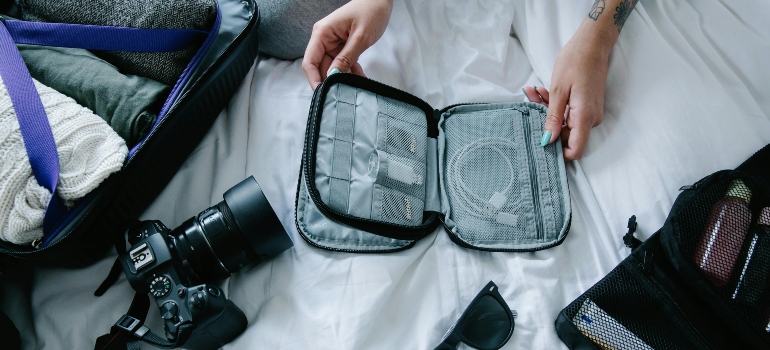
Valuables, documents, personal electronics, medications, and everyday essentials should stay separate from general household items. You create a dedicated box or travel bag for these items and keep it within arm’s reach throughout the move. This step prevents stress and supports quick access when schedules change or unexpected needs appear. These habits follow the clear logic that many clients observe when working with movers King City Ontario, who recommend safe separation for items that cannot enter the truck.
A personal essentials kit strengthens your comfort during relocation. You pack chargers, toiletries, snacks, paperwork, keys, and daily-use accessories in one organized space. This small but reliable collection helps you manage the first hours in your new home without frantic searching. You also protect expensive devices by keeping them close and preventing rough handling during transit. This organized approach supports your entire move and gives you a stable foundation for the following day.

Final home walk-through
A final walk-through secures the last stage of your preparation. You check closets, cabinets, corner shelves, basement storage, and upper-level spaces to confirm nothing stays behind. This process reduces anxiety and strengthens your sense of readiness. A systematic walk-through mirrors the disciplined approach commonly used by movers Vaughan, who rely on structured checks to avoid delays.
You move through your home with a measured pace. You inspect every drawer, look behind furniture, scan surfaces, and revisit spaces that were packed early. This step gives you confidence and stability because you verify your progress and confirm the accuracy of your preparation. The final walk-through guards your schedule and reinforces the flow built throughout the entire packing process. It becomes a natural bridge toward moving day and sets the tone for smooth loading.
Coordinating the moving day plan
A strong moving day plan for essential packing tips aligns timing, communication, and item placement. You coordinate arrival windows, clear pathways, and staging zones inside your home, which shortens loading time and reduces physical strain. You also make sure every packed box sits near the exit route so movers maintain a natural flow from home to truck. You keep fragile boxes separated, place heavy boxes along stronger surfaces, and maintain visible labeling for quick recognition.
This level of organization supports a confident start to your move, reduces unnecessary lifting, and helps you stay calm as the process unfolds. Strong coordination brings your preparation together and builds positive momentum for your arrival in your new home.
Conclusion
Every stage of your preparation gains clarity when you follow a structured plan built around essential packing tips. You approach each task with confidence because every choice supports a smooth and steady relocation. You protect your schedule, maintain control over your belongings, and create a clear path forward without confusion. Strong focus at each step sets the tone for a move that follows your pace instead of overwhelming you with pressure.
As you reach the final phase of this process, you carry a sense of stability that supports a successful arrival in your new home. You shape your environment, guide your progress, and strengthen your readiness with each completed task. Move forward with certainty, trust your preparation, and start this new chapter with energy and confidence.


